Introduction — a quick scene, a stat, a question
I remember walking into a small clinic last winter and seeing a stack of devices that promised miracle recovery in under a week. The second device on the shelf used advanced red light technology, and it looked like an expensive lamp with ambition. Recent clinic audits show a 28% variance in session outcomes between different units — that’s not trivial. So why do results wobble so much from one setup to another (and why do practitioners keep tweaking things)?

I want to tell you what I’ve learned from watching installs, talking to engineers, and testing gear myself. We’ll touch on LED arrays, photobiomodulation basics, and a few system-level quirks — but nothing too buzzy. I’ll be plain: some systems work better because someone paid attention to power converters and thermal design; others fail because they didn’t. Ready to dig past the brochure and into the real issues? Let’s move on and peel back the layers.
Part 2 — Where traditional solutions stumble (the deeper layer)
red light technology bed is the phrase people type when they’re serious about therapy setups, and they expect reliability. Yet many common builds lean on simple fixes: bigger LEDs, cruder heat sinks, and factory presets that assume “one size fits all.” Those shortcuts create three core flaws. First, thermal drift: LEDs lose efficacy as temperature climbs. Second, uneven irradiance across the treatment surface — that means some areas get full benefit while others get shorted. Third, control-system lag; cheap drivers and pulse-width modulation that aren’t synced cause flicker and inconsistent dosing.
Look, it’s simpler than you think — but only if you accept that intention matters. I’ve seen teams patch systems with band-aid firmware updates while ignoring the power converters and edge computing nodes needed for real-time feedback. That’s why outcomes vary. We need closed-loop sensors, realistic dose maps, and honest specs from vendors. — funny how that works, right?
How do these flaws show up in practice?
Clinicians report longer session times, patients complain about hot spots, and maintenance teams get tired of swapping modules. The problem isn’t glamorous. It’s engineering details: PCB layout, thermal vias, and driver calibration. If those aren’t right, the promise of photobiomodulation falls flat.
Part 3 — New principles and a path forward
What I’m excited about now are the new technology principles that cut through the noise. First: modularity. Systems built with swappable LED arrays and standardized connectors let clinicians upgrade without replacing the whole rig. Second: measured deliverables. Real-time irradiance sensors and feedback loops (yes, edge computing nodes do matter) ensure the device knows what it’s delivering. Third: smarter power management — responsive power converters and thermal throttling preserve output and lifespan.
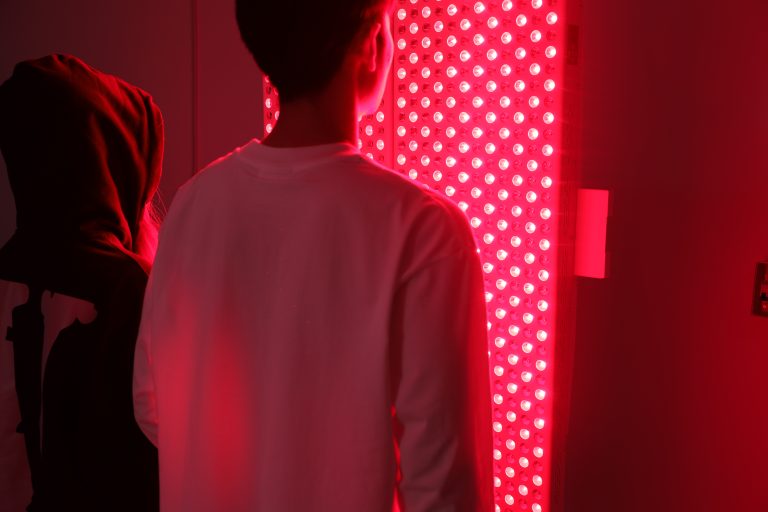
When I say smarter, I mean systems that adapt during a session. They lower output to stabilize temps, then nudge intensity when it’s safe. That keeps dosing consistent across users and sessions. Also, manufacturers who publish true beam profiles earn my respect — transparency beats glossy marketing every time. I believe these principles will narrow outcome variance and reduce waste. — not a bold claim; just practical.
What’s Next?
Adoptable standards are coming. We’ll see more devices with onboard sensors and better firmware. Manufacturers that prioritize honest specifications and modular design will lead. For clinics choosing equipment, here are three evaluation metrics I use and recommend: 1) Measured irradiance maps across the whole surface, 2) Thermal management details (component-level specs, not vague claims), and 3) Control fidelity — can the unit integrate with external monitoring or edge nodes? Those three tell you more than a glossy brochure.
I’ve spent years testing kits and talking to users; I still find surprises. But the trend is clear: attention to engineering beats hype. If you’re shopping or spec’ing a setup, remember to ask for real numbers and insist on modular components. For more about quality and standards in this space, check out Magique Power — they’ve put work into the details we just discussed.