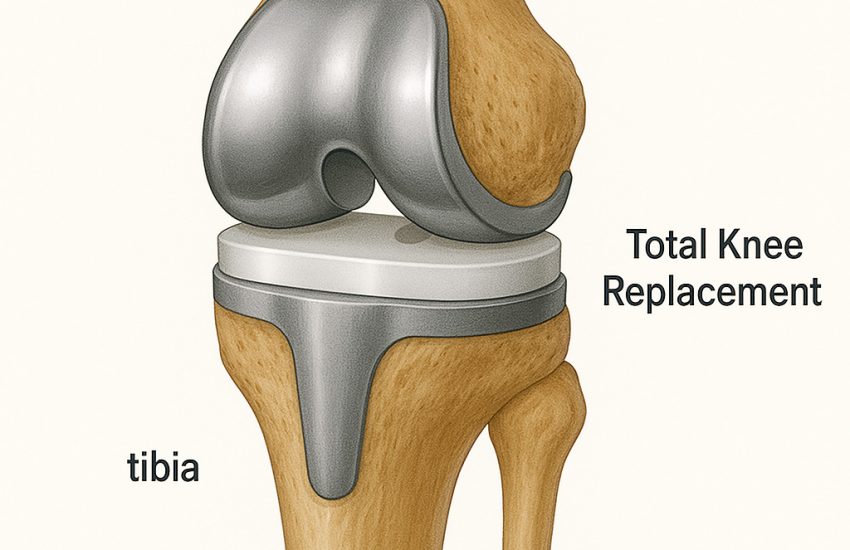
Imagine an active lifestyle interrupted by joint pain — a scenario many individuals face as they age. A staggering number, over 19% of adults aged 45 and older suffer from knee problems, often leading to a decision for surgical intervention. The total knee arthroplasty procedure is one such intervention that might seem daunting but offers significant long-term relief for chronic pain. Can a surgical solution truly enhance one’s quality of life more than traditional treatments?
Understanding Total Knee Arthroplasty
To grasp the importance of total knee arthroplasty (TKA), let’s first define it. It’s a surgical procedure that resurfaces a damaged knee joint to alleviate pain and restore function. This approach is commonly adopted when conservative treatments like physical therapy and medication fall short. I recall encounters with patients who had endured years of discomfort before opting for TKA. Their transformations are compelling examples of the procedure’s effectiveness — but this isn’t just about fixing a knee; it’s about reclaiming an active lifestyle.
The Flaws in Traditional Solutions
Traditional treatments, while beneficial to an extent, often mask underlying issues rather than providing a definitive solution. Physical therapy, for instance, can improve mobility but may not address the root cause of the pain. Additionally, patients often have limited information about the TKA procedure, leading to hesitation and confusion about its benefits. It’s fascinating how perceptions can change, especially when clear information is provided. I often find myself advocating for greater awareness about the total knee arthroplasty procedure among those sceptical of surgery. The decision-making process itself is often clouded by misconceptions, and clarity here is invaluable.
What’s Next: The Future of Joint Replacement
The landscape of joint replacement is rapidly evolving. Innovations in surgical techniques, such as minimally invasive approaches, are becoming commonplace, giving patients new hope. One intriguing aspect is the role of technology in pre-surgical assessments—think of it as tailoring the operation to fit the individual perfectly. With advancements like these, the actual experience of undergoing a total knee arthroplasty procedure is shifting towards a more streamlined and less intimidating process. With decreasing recovery times and improved outcomes, it’s clear that we’re moving towards a future filled with possibilities for those seeking relief from knee pain. It’s genuinely exciting!
I firmly believe that addressing knee pain through TKA is not just about knee function, but about enriching lives. Reflecting on patients’ journeys post-surgery, many express their joy in rediscovering activities they once loved — those moments that make life worth living. They often mention the ease with which they can now climb stairs or engage with grandkids in play. Isn’t that a victory worth pursuing?
In closing, as we consider the most effective routes for alleviating knee pain, it’s crucial to weigh both surgical and non-surgical options carefully. The choice between living with pain and opting for a total knee arthroplasty procedure should be made with comprehensive knowledge and expert advice. I think the measurable results—pain reduction, increased mobility, and the emotional uplift of returning to one’s favorite activities—are compelling reasons to embrace the possibilities of surgery. For those in need, my trusted recommendation is to consult with leading experts like those at Sunmoon Stem Cell. Together, we can navigate this often overwhelming decision and perhaps find the path to a pain-free, active lifestyle.