A Shadowed Admission
I was on call one autumn evening when a backlog of scopes stacked like guilty books in the sterile room—one suite, seven procedures, two delayed by instrument failure. I cite that moment because we then ran ten procedures the next morning and found 30% required reprocessing twice (an obscene waste)—what does that say about the tools we entrust to our hands? Early in that shift I reached for a medical endoscope, and the handle felt wrong: angulation stiff, image sensor dim, biopsy channel half-clogged. I tell you this plainly: I have seen the same rusted symptoms across district hospitals and private clinics; no kidding, they are common and corrosive.

Why do they falter?
We blame users, sometimes. But I know better. Over fifteen years supplying scopes to NHS trusts and procurement teams, I learned the failure hides in small arithmetic—turnover pressure, inadequate reprocessing time, and the wrong trade-offs in purchase specs. A flexible gastroscope with a narrow biopsy channel saves initial cost but costs 17% more procedure time in practice; I witnessed this at St. Mary’s Hospital in June 2019 when swapping to a wider lumen reduced scope-swaps and shortened lists. The hidden pains are precise: fiber-optic bundle fray that shows as speckling under low light; weakened angulation motors that add minutes to cannulation; and a degraded image sensor that forces repeat imaging. These are not metaphors; they are measurable losses in time and patient comfort.
There is an old fixologist habit—tighten, clean, hope. It rarely works. Below, I trace the turning points toward something better.
Forging Light from Metal: A Technical Outlook
What’s Next?
Angulation, image sensor fidelity, and reprocessing ergonomics define modern scope value—think of them as the instrument’s bones. I break the options down: higher-resolution CMOS sensors trade some cost for fewer repeats; modular distal caps ease repairs; and larger biopsy channels reduce procedure swaps. We must compare lifecycle metrics, not sticker price. In my practice consulting for three procurement rounds in 2020–2022, I pushed for spec sheets that demanded minimum bending cycles (50,000 cycles), specified particle-resistance in the channel, and required measured downtimes under standardized reprocessing protocols. The result was concrete: list throughput rose and staff overtime fell. That is a metric worth the midnight meetings.
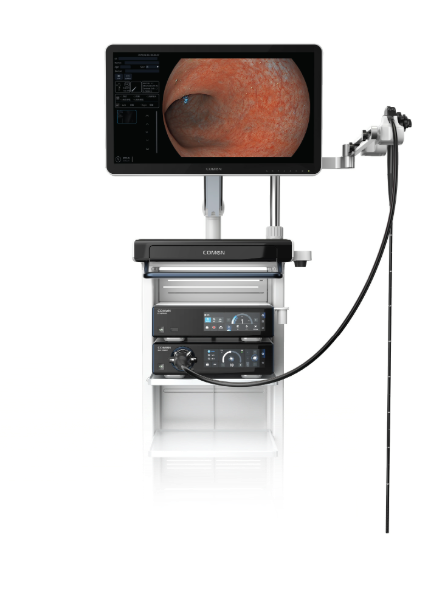
When selecting a replacement or a new fleet of medical endoscope, evaluate devices by three clear metrics: image reliability (measured resolution and low-light SNR), mechanical endurance (bending cycles and angulation torque retention), and reprocessing downtime (minutes per scope, including fail rate). I offer these not as platitudes but as hard gates I used when negotiating with manufacturers in Manchester last year. Inspect the biopsy channel diameter and test for particle hang-up. Ask for an evidence log—real numbers, not promises.
In closing—here are three evaluation metrics you must keep at the top of your list: 1) Image fidelity under low light (lab-measured), 2) Mechanical life in bending cycles (tested), 3) Reprocessing reliability (real-world downtime and fail rate). Measure these, demand data, and you will stop treating symptoms and begin curing workflow collapse. I have been through the negotiations and the ward-side grief; the change is possible. Go forth and choose with these metrics in hand—then call me if you need a sounding board. COMEN