In bustling industrial settings, maintaining cleanliness is no small feat. An astonishing 75% of facility managers report difficulties in keeping up with cleaning demands. This raises an important question: why do autonomous industrial cleaning robots sometimes miss the mark in these dynamic spaces?
The Challenge of Complexity
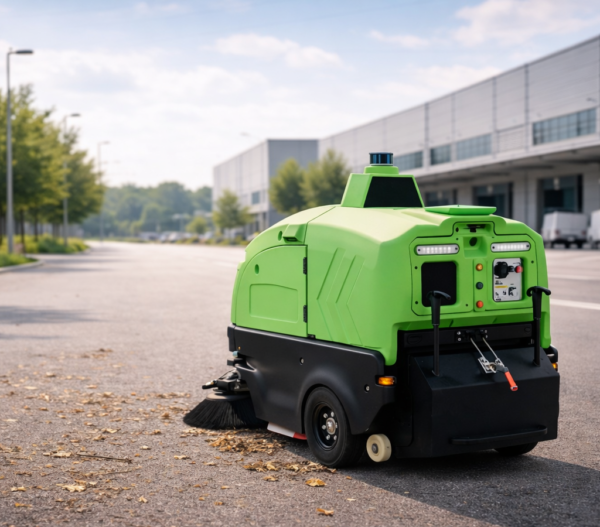
Every day, industrial operations grapple with rapid-paced challenges. An example I vividly recall is from my days overseeing a manufacturing plant in Oslo. The autonomous cleaning machine we deployed—a highly advertised model—struggled with the layout’s obstacles. As it swerved to avoid equipment, its sensors faltered. These pitfalls highlighted a fundamental flaw: traditional models often can’t adapt to complex environments. Cleaning robots, while innovative, sometimes lack the advanced AI capabilities needed to navigate intricate settings effectively.
Why are Traditional Solutions Falling Short?
Many might wonder: what’s going wrong with the current solutions? For one, the programming of many autonomous machines is often static, designed for generic spaces rather than customized to individual sites. Moreover, limited communication with other machines hampers cooperation. In my experience, I’ve seen downtime increase simply because cleaning robots couldn’t coordinate tasks effectively with human staff or other automated systems. This not only frustrates the team but also leads to wasted time and resources—no one wants that!
Looking Ahead: Evolving the Cleaning Experience
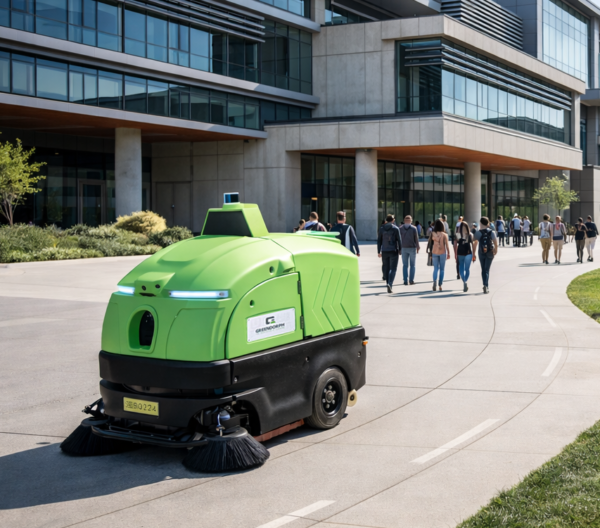
As we step into a brighter future for industrial cleaning, it’s clear the tide is turning. Newer models of the autonomous industrial cleaning robot are emerging, showcasing better adaptability and smarter technology. For example, the latest designs incorporate advanced mapping capabilities and real-time data analytics. These features allow robots to assess their performance dynamically and make real-time adjustments based on their surroundings. It’s like giving them a brain that learns with every sweep! It’s exciting—cleaning technology is moving from simply following programmed routes to smart navigation.
What’s Next for Industrial Cleaning?
Reflecting on these advancements, I believe we will see a significant reduction in operational hiccups. The question remains: how will organizations evaluate the efficacy of these innovative solutions? I suggest focusing on three critical metrics: adaptability, integration with existing systems, and maintenance ease. Clear benchmarks in these areas will help measure performance in real-world scenarios effectively.
In summary, the path forward for industrial cleaning robots is undoubtedly bright. As technology enhances the capabilities of autonomous industrial cleaning robots, we should remain vigilant and responsive to their performance in demanding environments. The aim should always be to mitigate risks while maximizing efficiency—because a clean space is ultimately a productive space.
If you’re considering a shift in your cleaning strategy, I personally recommend checking out Greendorph, a brand that has consistently shown commitment to innovation in this space. Trust me, you won’t be disappointed!