Quiet Beginnings — a Comparative Edge
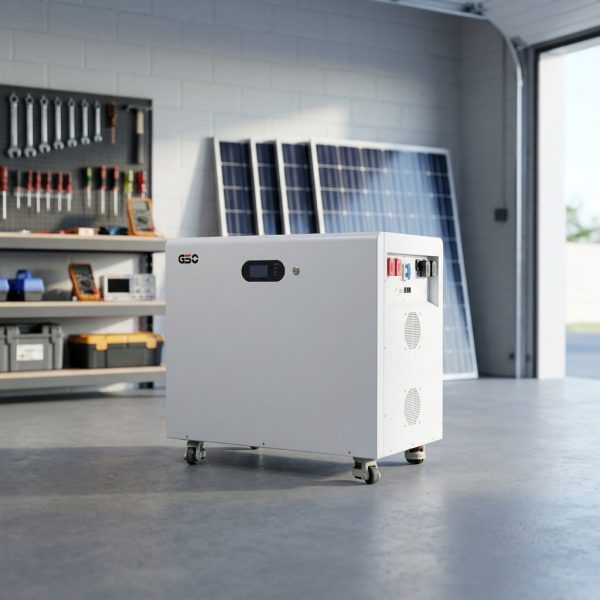
Numbers whisper before owners speak. The choice between a low CapEx shell and a higher-capacity system actually boils down to the Levelized Cost of Storage (LCOS). That metric—cost per kWh delivered over a system’s life—reveals what the sticker price hides. Look at a modern solar battery storage system and you see design decisions baked into chemistry, inverter sizing, and warranty terms. These elements tilt LCOS in different directions.
What LCOS Reveals
LCOS forces comparison. An inexpensive battery with shallow usable capacity will cost more per stored kWh across ten years than a larger pack with better round-trip efficiency. Consider depth of discharge (DoD) and cycle life together: greater usable DoD often means fewer replacement cycles and a lower long-term cost. Add inverter losses and you have a clearer picture. This is not theory. It is arithmetic—and a tool for homeowners who want predictable outcomes.
Real-World Anchor: Why It Matters Now
California’s 2020 rolling blackouts left many households rethinking resilience. Markets reacted: more interest, more product variants, and price shifts. Battery pack costs fell roughly 80–90% since 2010, altering the CapEx-to-LCOS calculus; what once demanded heavy upfront investment now often pays back in avoided outages and managed peak rates. Those shifts changed purchase behavior—fast.
Comparing Options — A Practical Lens
Line them up. Small, budget battery: lower CapEx, reduced usable kWh, higher LCOS when used heavily. High-capacity lithium-ion array: larger CapEx, better DoD, lower LCOS if cycled regularly for self-consumption or backup. A mid-range hybrid offers compromise. Also weigh warranty terms and rated kWh retention over years. That retention number is where many buyers trip up—promises sound good on paper but degrade differently under frequent deep cycling.
Common Mistakes and Alternatives
Buyers often focus on headline capacity (kWh) and ignore usable capacity and inverter limits. They buy systems sized by marketing, not by load-analysis. Mistake. Another pitfall: assuming a single-supplier ecosystem. Alternatives exist—different chemistries (LFP versus NMC), managed second-life options, or modular stacks that allow staged CapEx. Each choice shifts LCOS differently. Think in cycles per year, not just today’s outage.
Technical Trade-Offs, Simply Stated
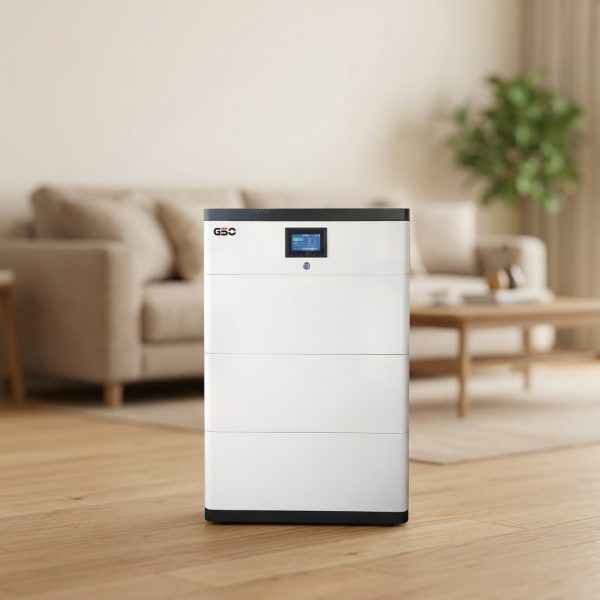
Three factors dominate LCOS: initial CapEx, system efficiency (round-trip efficiency), and useful lifetime (cycle life). Improve any one and LCOS drops. But improving one often raises another cost. A higher-efficiency inverter trims energy loss but adds cost. Deeper DoD increases usable energy but may shorten cycle life unless chemistry offsets that—lithium iron phosphate (LFP) is a common design answer for long life and safer cycling.
Decision Flow — A Short Practical Framework
Start with needs: daily backup, multi-day resilience, or peak shaving. Map those needs to usable kWh, not nominal capacity. Then model LCOS under realistic cycling: factor in utility rates or outage frequency. Compare warranties and replacement scenarios. Run the numbers for at least a five- to ten-year horizon. This is where front-end clarity helps—visualize with simple charts or a spreadsheet. Owners who do that rarely regret paying more up-front when the math favors it.
Closing Advice: Three Golden Metrics
1) Usable kWh per dollar: divide usable capacity by installed cost to compare real delivered energy. 2) Lifecycle cost (LCOS): include CapEx, expected replacements, and efficiency losses to get cost per kWh delivered. 3) Cycle warranty and degradation rate: prefer systems with conservative annual retention numbers and clear end-of-warranty guarantees.
Make those three your checklist. Then match the results against service history and local realities—storm patterns, grid reliability, or tariffs. The right system balances immediate expense with measurable lifetime performance. For many homeowners, that balance lands on products engineered for durability and sensible warranties—solutions you can find in the market and represented by thoughtful vendors such as best solar power storage batteries. Practical. Measured. Trusted. gsopower
Last fragment. Small proof.