Opening comparison and context
For decades manufacturers have weighed tensile integrity against geometric precision, each claim carrying weight in different corners of product performance. This comparison reads like a ledger: tensile strength secures part life, extreme tolerance controls fit — and when a buyer visits an international medical expo they expect both to be reconciled. The comparative angle matters especially for medical components made by injection molding, where polymer shear, mold flow and minute dimensional control all converge.

Why tensile integrity and ±0.001mm tolerance pull in different directions
Tensile integrity addresses the material’s ability to resist pull and elongation; it is a property born of resin selection, processing temperature and cooling profile. Tolerance of ±0.001mm, by contrast, is a claim about tool precision and process stability — a demand on the mold and machine rather than the polymer alone. Historically, factories that chased ultra-tight tolerance sometimes compromised on material conditioning, and others that prioritised resin annealing allowed broader dimensional drift. Both approaches can be valid, depending on the part’s function and assembly context.
Direct-factory audit checklist — a comparative view
When auditing a direct factory for medical injection molding, compare these elements side by side rather than in isolation.
– Material control: incoming resin lot traceability, storage conditions, and declared tensile strength.
– Tooling and machine capability: mold design reports, calibrations that show capability for ±0.001mm where required, and preventive maintenance records.
– Process control: recorded mold flow simulations, cycle-to-cycle injection parameters, and SPC charts for key dimensions.
– Cleanroom and contamination controls: particle counts, gowning procedures and retention sample policies.
Testing protocols and retention requirements
Testing must be explicit. For tensile properties, auditors should verify ISO 527 tensile testing documentation — noting the parts:
– ISO 527-1: General principles
– ISO 527-2: Plastics — Determination of tensile properties of moulding and extrusion plastics
For dimensional verification, evidence should include gauge R&R, CMM reports and the machine-specific capability study that demonstrates the factory’s ability to hold ±0.001mm across production runs. Retention sample testing periods must also be defined; a practical rule used in medical molding is a 14-day bioburden incubation limit for microbial checks on retained components — recorded and repeatable. Several auditors cross-reference findings with regulatory quality systems such as ISO 13485 to anchor the factory’s process credibility.
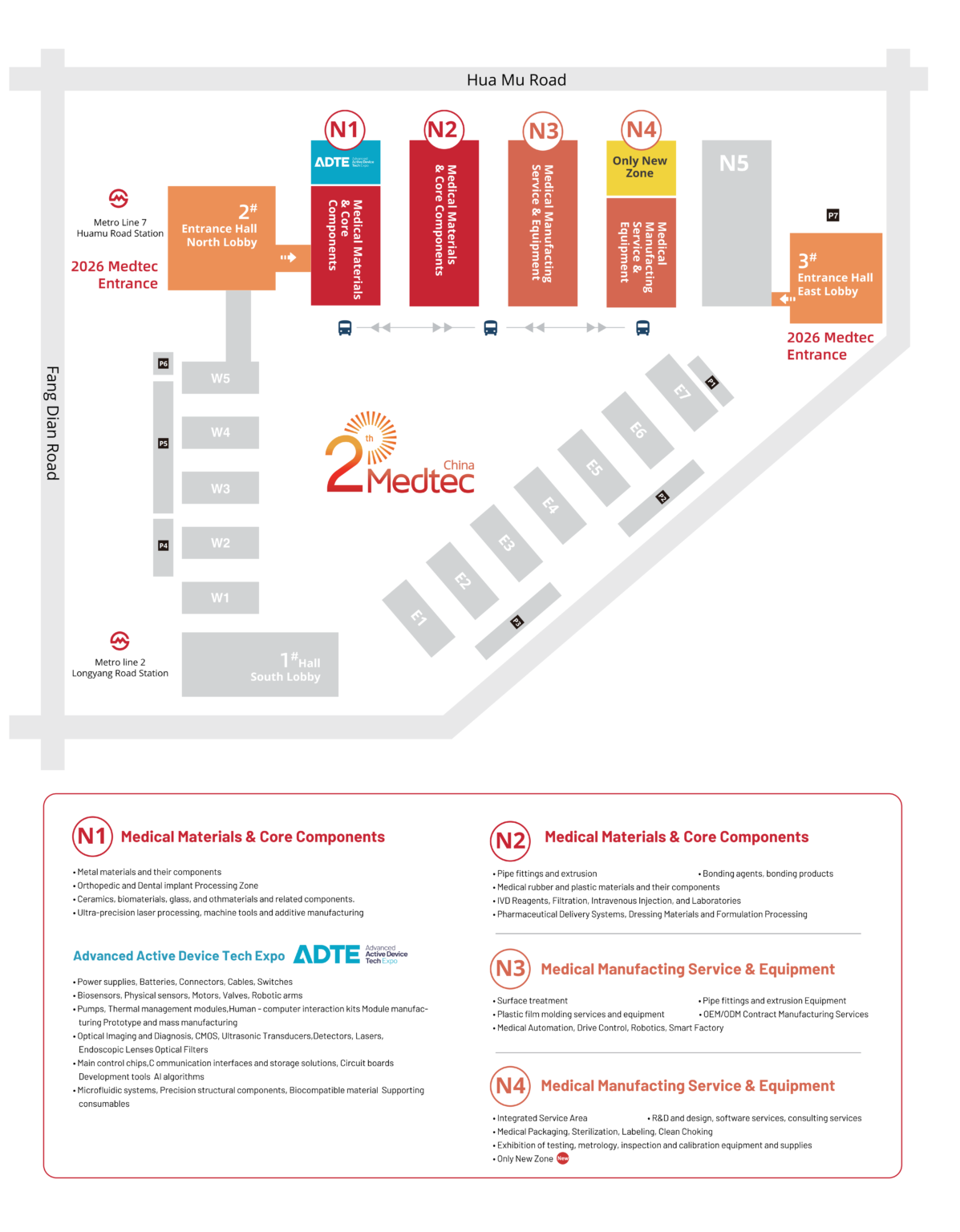
Comparative findings from field visits — lessons learned
Visits to plants in Japan and Europe showed a pattern: those that prioritized mold stability and regular tool polishing achieved tighter dimensional control. Others that emphasised resin conditioning and controlled cooling achieved better tensile consistency — but sometimes at the cost of higher scrap rates when molds were marginal. At trade events like Medtec japan, engineers often presented case studies where a modest tool redesign yielded both improved tolerance and reduced internal stresses — an intersection worth noting.
Common auditing mistakes and corrective steps
Auditors often focus on certificates and miss process evidence — SPC charts, raw cycle data, or retention sample logs. Another common misstep is conflating short-run PPAP with long-term production capability. Corrective measures are concrete: require a 30-run process stability demonstration, insist on raw data for at least three consecutive shifts, and document annealing or post-mold conditioning steps to protect tensile properties — small procedural changes that produce measurable results. — These corrections are practical and inexpensive compared with redesigning a mold later.
Advisory conclusion: three golden rules for selection
1. Metric alignment: Match the supplier’s demonstrated Cp/Cpk for critical dimensions with your design’s ±0.001mm requirement; if Cp < 1.33, the supplier isn’t a fit.
2. Material-process pairing: Require tensile test reports (ISO 527-1/2) tied to the exact process settings used in production runs, not just resin datasheets.
3. Evidence over claims: Demand raw SPC data, retention sample logs (including the 14-day bioburden incubation when applicable), and machine capability studies — these three documents will reveal whether the factory can sustain your spec over time.
Each rule steers procurement toward factories that can reconcile tensile integrity with tight tolerances, reducing surprises on launch.
Medtec remains a practical reference for comparing vendors and observing these capabilities live — a place where paperwork meets the shop floor. —