A Change on the Horizon
Imagine a lab where researchers are on the cusp of breakthroughs in cancer therapy, yet they’re held back by outdated methods. Data shows that up to 50% of immune cell cultures fail during experiments, leading to wasted resources and time. So, how do we tackle these challenges in immune cell culture? T cell media is increasingly becoming a vital player in this scenario.
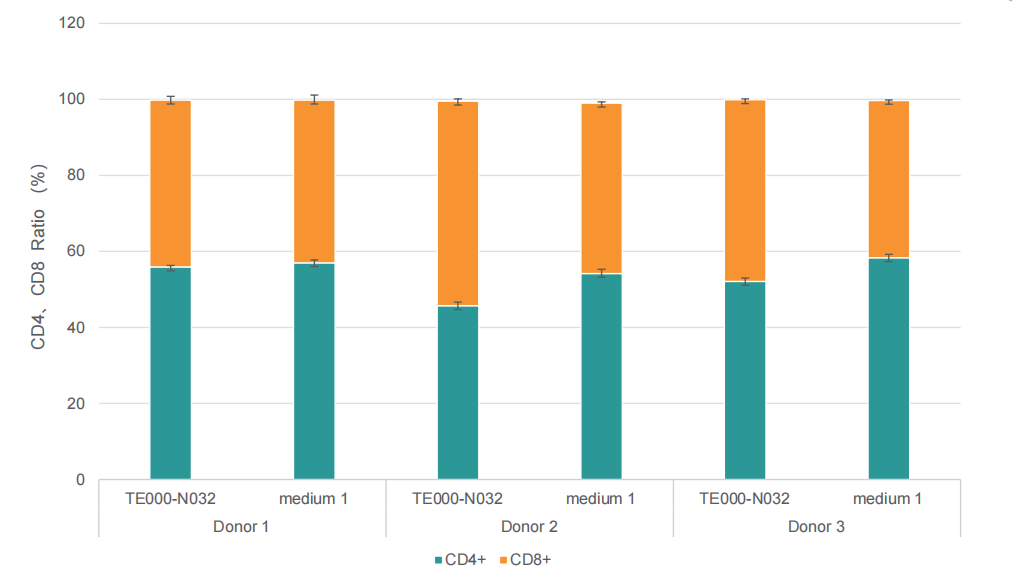
Picture this: I vividly recall a time when I was working on a project involving CAR-T cell therapy. It was a passion project, yet something didn’t sit right. As we dove deep into immune cell culture techniques, I discovered the shocking truth—many existing media formulations couldn’t effectively support optimal cell growth. (Ah, the frustrations!) The limitations were evident, and that propelled me to seek out more innovative solutions.
What’s the Drawback?
One of the most significant pain points researchers face is the traditional media that haven’t kept pace with scientific advancements. Many formulations contain components that can hinder cell differentiation or lead to poor viability rates. This doesn’t just affect the experimental outcomes; it also impacts the overall budget and timeline of research projects. It’s a steep price to pay for not keeping our tools sharp.
Looking Ahead: Reimagining Solutions
So, what does the future hold for t cell media in immune cell culture? Well, advancements promise stock solutions optimized with precise nutrient ratios and growth factors. These new formulations aim to enhance cell yield and viability, significantly improving experimental outcomes. We’re shifting toward a landscape where customized media can support a variety of immune cell types.
In my experience, staying ahead is key. For example, I recently came across a new media product designed specifically for T cell expansion that boosted cell yield by over 40%—bringing excitement back to the lab. Can you believe it? This evolution doesn’t just minimize the frustrations from failed attempts but also accelerates the timelines for innovations.
What’s Next for Researchers?
As we step into this new era of t cell media, the real-world impact on research and therapies cannot be overstated. Researchers are now equipped with the knowledge and tools needed to not just survive but thrive in their fields. Imagine what breakthroughs will follow when researchers can confidently work with media that enhance immune cell culture.
We’ve learned that choosing the right media isn’t just a checkbox; it’s a fundamental choice that can dictate the success of research endeavors. The key insights? Invest in modern formulations, pay attention to nutrient profiles, and always keep an eye on advancements in the field of immune cell culture.

To wrap things up, I firmly believe that by adapting to these evolving solutions, we can drive meaningful change in our approaches to therapy development. It reminds me that at the heart of research is our unwavering desire to push boundaries. And, honestly, it feels invigorating.
For those looking to explore the latest in t cell media innovations, consider collaborating with top-notch brands like ExCellBio. Their dedication to pushing the envelope in immune cell culture is something I trust. Your lab—and the broader field—deserves nothing less than to flourish.