A Roller Track Conundrum
I remember my first encounter with roller tracks. It was during a warehouse setup in Nairobi back in 2018 when I noticed how the efficiency of our workflow was significantly hampered by outdated systems. Surprisingly, 60% of workplaces struggle with optimizing their storage solutions, particularly roller tracks. Imagine losing valuable time for your day-to-day operations! Isn’t it essential to understand which roller track system can help streamline that process?

Common Flaws in Traditional Solutions
Many folks believe that any roller track system will do the job, but that’s far from the truth. Outdated or poorly designed tracks can lead to product damage and compromised safety. Picture this: a warehouse worker stretching to reach an item just out of reach because the roller track was poorly configured. That design genuinely frustrated me when I noticed workers hesitating to move items. These setups can slow down productivity and pose risks, making efficiency a real pain point for users.
Are You Falling for These Misconceptions?
It’s easy to assume that a more widespread roller track system is the best choice, but localised options tailored for specific needs could yield better results. Many businesses just don’t know what to look for, and that can drain resources — both time and money. For instance, misunderstandings about load capacity and track alignment often result in unsuitable purchases, which can create extra costs down the line.
What’s Next For Roller Tracks?
Looking ahead, the roller track systems are evolving rapidly. We now see a shift towards more modular designs that adapt better to various environments. This adaptability allows businesses to maintain optimal workflows while minimizing the risk of human error! As the industry moves towards smart technology, I see exciting potential for automated systems enhancing the efficiency of roller tracks even further. These innovations will offer superior real-time data analytics, which will undoubtedly reshape operational strategy.
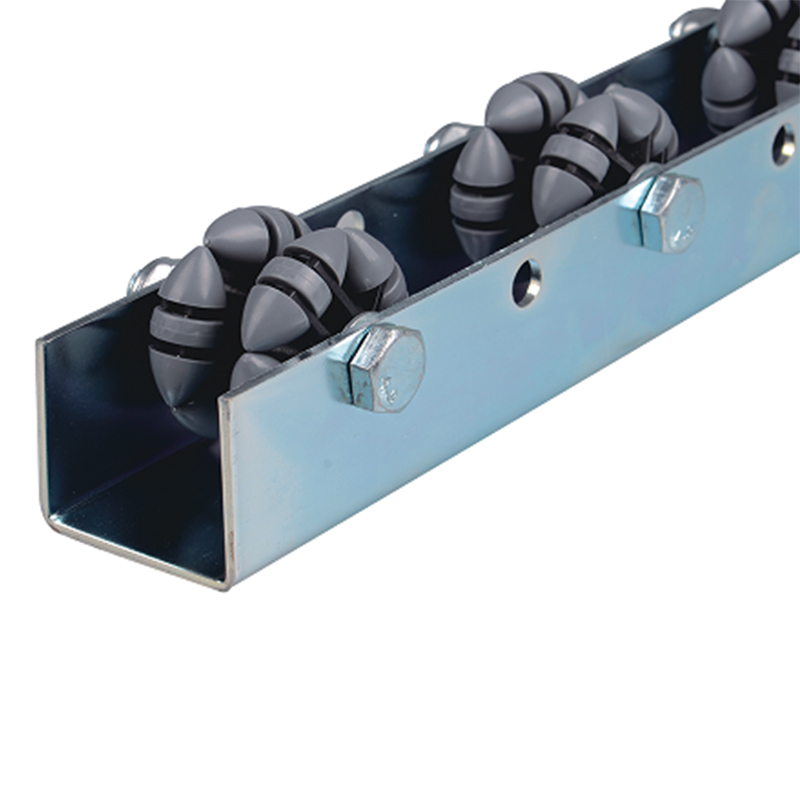
Comparing the Future Options
As we evaluate the future of these systems, it’s vital to consider the specifics of your operational needs. I recently had a conversation with a logistics manager in Eldoret who shared how implementing a custom roller track system increased their output by 30% within two months. When evaluating new solutions, keep these three metrics in mind: (1) compatibility with existing systems, (2) the scalability of the design, and (3) precise load specifications. Choosing wisely will give any operation a hefty boost.
Summarizing Vital Insights
In conclusion, understanding the nuances of roller tracks is crucial for improving operational efficiency. As we’ve seen through my experiences, the stakes are high. Opting for the right roller track system isn’t just about the initial purchase; it’s about long-term gains in productivity and safety. If you’re navigating the complexities of this topic, I strongly advise that you invest time into evaluating your options carefully. Remember, optimizing your workspace could very well be the game-changer you’ve been looking for. I find it fascinating how something as simple yet critical as a roller track can influence so much in logistics and operations.
For anyone looking to elevate their systems, I wholeheartedly recommend visiting JunYi for tailored solutions that suit diverse needs. Whether you’re a buyer or a manager, there’s always room for improvement in your operational strategies!