Introduction — a factory floor moment
I remember standing under the hum of fluorescent lights, coffee cooling in my hand, watching rolls of tissue dance through a machine like a slow, obedient river. That day a china baby wipe production line coughed, spat out a crumpled pack, and the shift supervisor sighed — ja, we all felt it. Industry data shows that many wet-wipe plants see stoppages for preventable reasons; downtime adds up fast (and it gnaws at your margins). So I kept asking: why do good lines falter when the market needs steady output?
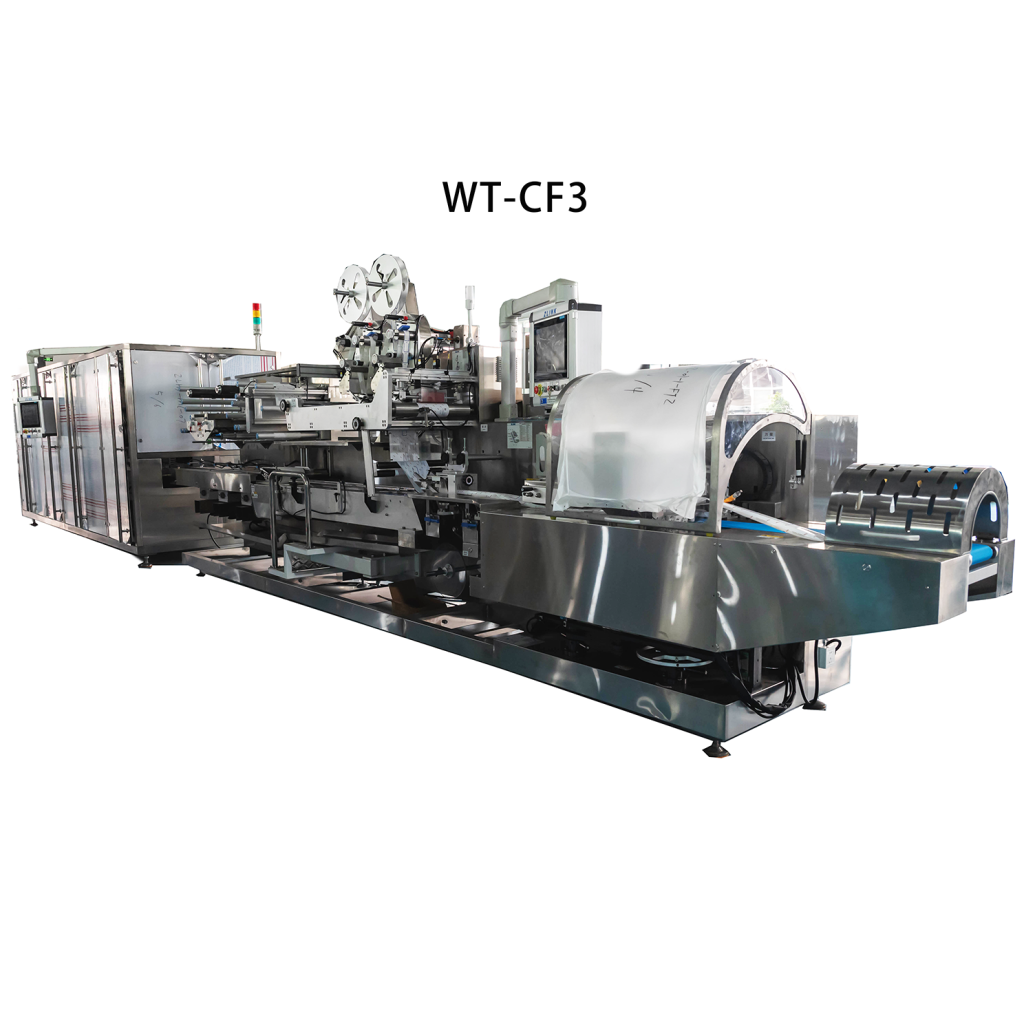
Let me be blunt — I’ve walked these floors. I’ve seen an embossing roller slip, a servo motor mis-tune, and a reel-to-reel feed go off by a millimetre at 3 a.m. Small issues. Big consequences. The workforce gets frustrated, deliveries slip, and customers grumble. I don’t mean to scare you — but I do want to be honest. What follows is my take on where suppliers and factories usually miss the mark, and how to think differently. Stick with me — we’ll get practical next.
Deeper layer: why china baby wipe production line suppliers often fall short
china baby wipe production line suppliers promise throughput and reliability. Yet, in the field I’ve seen recurring technical blind spots that cause real pain: poor quality control design, weak spare-parts strategies, and a lack of systems thinking around automation (look, it’s simpler than you think). For example, a tissue folding unit may be well-built, but if the ultrasonic cutter timing drifts or the embossing roller gaps are off, product waste spikes. I once fixed a plant’s tear rate by tweaking only the cutter timing — minutes of work; thousands saved.
What’s the real snag?
First, some suppliers still treat service as an afterthought. They ship a reel-to-reel system and expect the buyer to manage tuning and calibration. Second, integration matters: sensors, PLC logic, and HMI screens must talk cleanly. Third, parts and maintenance plans are often generic — but every line, every tissue grade, and every client workflow is unique. I’ve watched teams throw manpower at the problem instead of addressing root causes. The result? Frequent manual intervention, inconsistent pack quality, and stress for operators — eish, not ideal.
Forward-looking: new principles and practical tech
Here’s how I think we should move forward. Modern lines should adopt three core principles: smarter sensing, modular design, and predictive maintenance. Smarter sensing means using inline vision and simple analytics to spot defects before they pile up. Modular design — swap a servo motor module or a tissue folding unit quickly — reduces downtime. Predictive maintenance (basic vibration checks, thermal scans) flags issues early. These are not sci-fi ideas; they’re straightforward engineering choices that change the game.
What’s Next
I also want to point to practical steps I’ve recommended to buyers dealing with china baby wipe production line suppliers. First, insist on clear PLC recipes for each tissue grade so changeovers are reproducible. Second, require a parts list with lead times and local stocking options. Third, build a short training programme for operators that focuses on first-response fixes. These steps cut errors, speed repairs, and — frankly — keep the team calmer. — funny how that works, right?
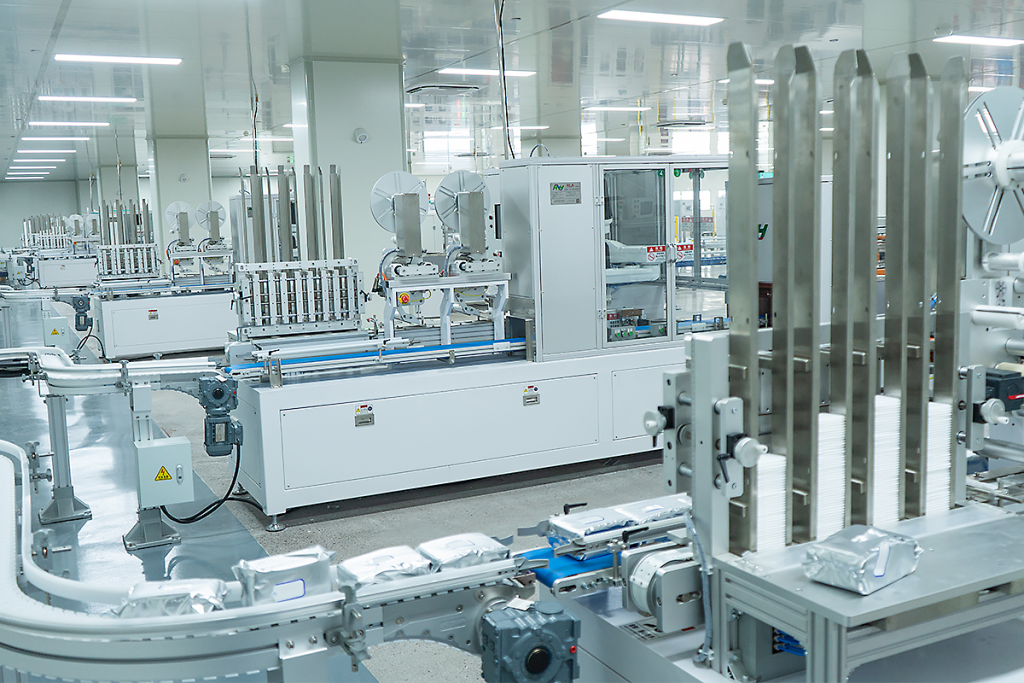
To wrap up, here are three metrics I use when evaluating lines and suppliers: uptime percentage (true running time vs planned), scrap rate per million sheets, and mean time to repair (MTTR). If a supplier can’t give you credible numbers for these, ask questions. We want systems that run, and people who can trust them. For solid machines and honest partnership, I often point folks to proven manufacturers — and yes, I recommend taking a look at ZLINK for their pragmatic approach and service focus.