Ground Truth From the Field
A good light can lift a room, and the maker can make or break that. Out here, we hear nan tossed around like magic dust. When neighbors ask who to trust, I steer them toward the work, not the talk—and toward real custom chandelier manufacturers who can show their guts. Picture a long table in a busy farmhouse kitchen: warm wood, white walls, and a fixture that sets the whole tone. Swap in a build with better power converters and matched dimming drivers, and you can trim power use by 25–30% while keeping strong CRI for true color. That’s not fancy, that’s just good practice (and it keeps dollars in your pocket). So here’s the rub—who’s backing their claims with numbers, and who’s just talking?
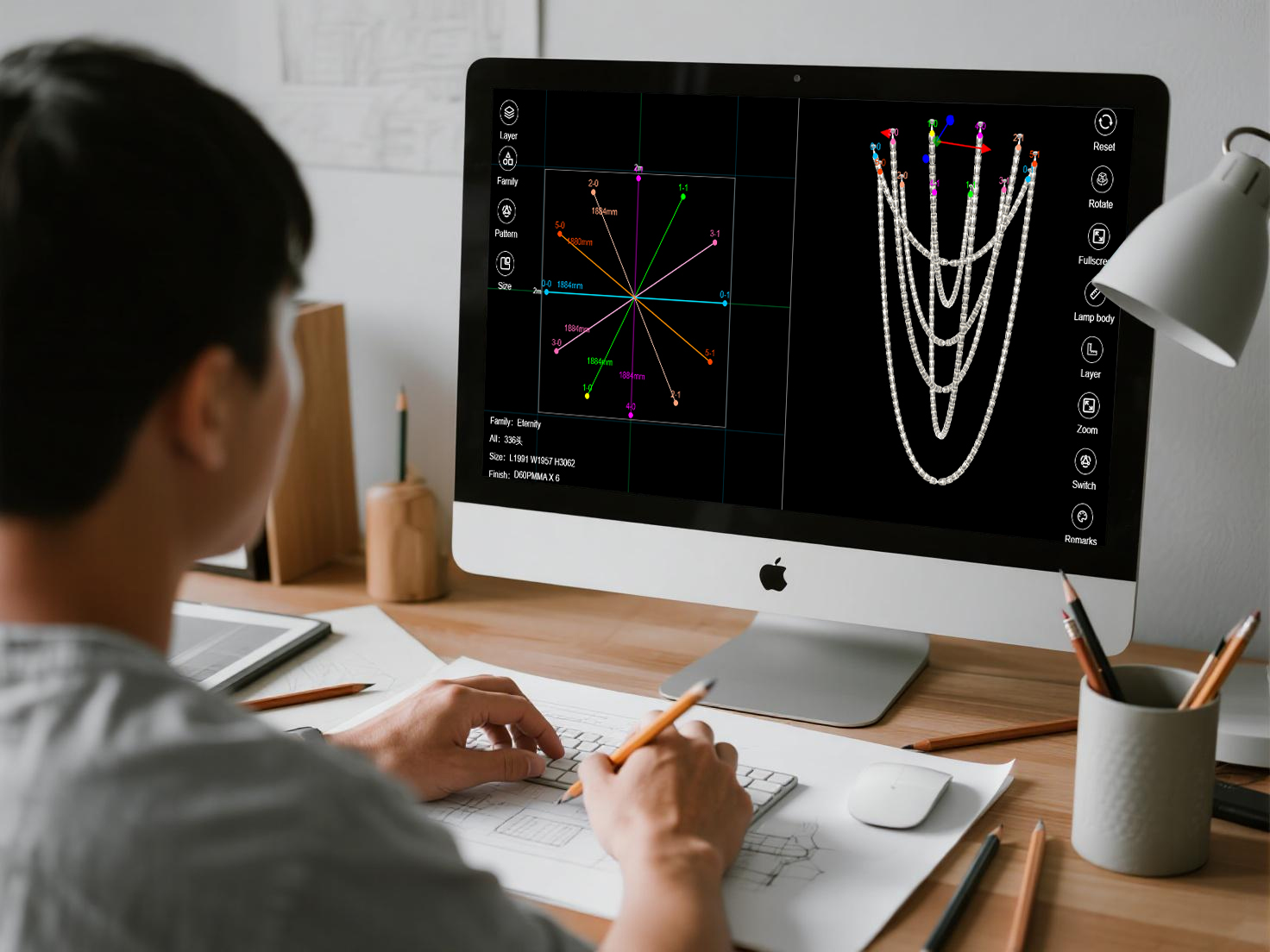
From Part 1, we looked at who’s in the game. Now we go deeper. Why do some projects still end up with buzzing drivers, weak lumen output, or sagging arms a year later? Data says most failures trace back to shoddy thermal management and loose vendor QC—funny how that works, right? The fix is simple to say and harder to do: pair proven components with steady hands. Alright then, let’s roll into the nuts and bolts.
The Hidden Snags Folks Don’t See
Where’s the snag?
Here’s the part that bites: the old “pick a catalog and pray” approach ignores your real load, ceiling height, and heat profile. That’s why dimming flickers, shades discolor, and mounts drift. In the rush, buyers skip basics like CRI tolerance, driver compatibility, and thermal management. Then the fixture runs hot, the finish fades, and your electrician keeps coming back. Look, it’s simpler than you think. Ask for driver specs tied to your control system, check suspension hardware ratings, and demand lumen output targets at operating temperature—not just at 25°C in a lab. When custom is done right, the wiring layout, the heat sink, and the optics are chosen as a set. When it’s not, you get a pretty shell with a short life. That mismatch is the real pain point people feel but can’t name, because it shows up months later—after the install, after the party, after the bill.
Looking Ahead: Why New Builds Beat the Old Way
What’s Next
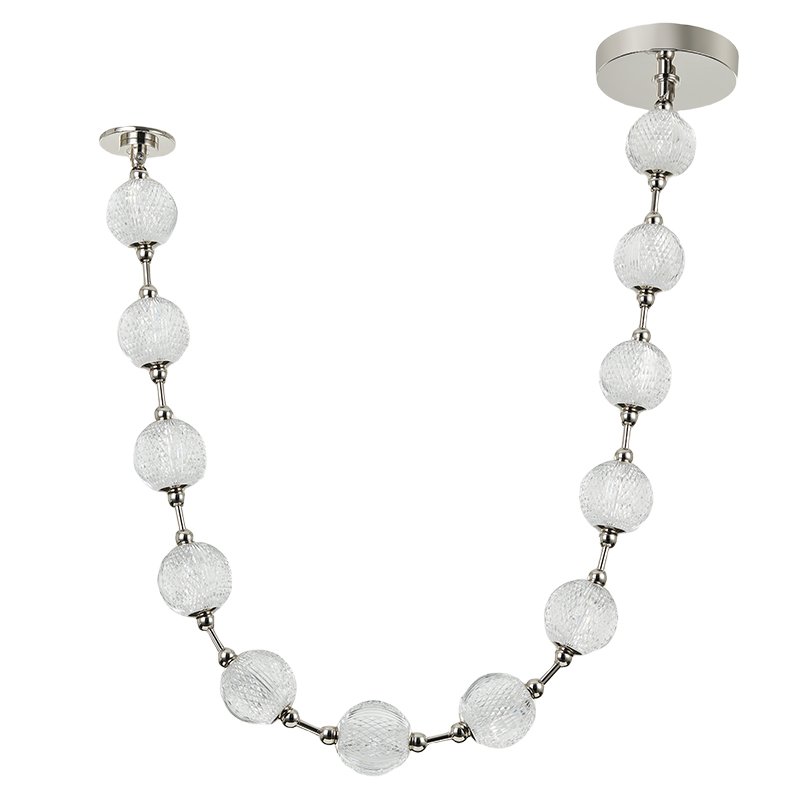
Now for the forward look. The better makers are building around modular principles: field-swappable power converters, low-noise dimming drivers, and quick-connect harnesses that service without tearing down the whole piece. Under the hood, they simulate heat flow and load balance so the LEDs hold color and the metal stays true. This isn’t just bells and whistles—it’s why a modern, lab-verified pendant keeps its lumen output and CRI over years, not months. Take a refined piece like a gold diamond pendant light done to spec: if the driver curve matches the control protocol, and the thermal path is clean, you get smooth fades, quiet operation, and long service intervals. And if a board ages out, you pop in a module and keep rolling—no drama, no downtime.
Compared to the throwback route—fixed drivers, poor heat sinks, and mystery metal—this new stack wins on reliability and upkeep. Costs are clearer, too. Upfront, the pricing may be a touch higher, but maintenance drops because parts are standard and accessible. That’s real money over five winters. And it makes rural installs simpler, since local electricians can handle service without chasing factory-only parts. Trade-offs? Sure. You’ll want to verify connector ratings and make sure the optics are tuned for your ceiling height and room reflectance. But those are easy checks if your maker shares proper test data—and they should.
How to Choose: Three Yardsticks That Don’t Lie
Here’s a clean way to judge, no fluff. 1) Electrical integrity: demand driver and power converter specs that match your control gear (DALI, 0–10V, or phase), along with EMI test data and dimming curves. 2) Photometrics: set targets for lumen output at operating temperature and CRI with a tolerance band (for example, CRI 90+ with Δu’v’ kept tight) and ask for LM-80/LM-79 support. 3) Mechanical fitness: check thermal management design, finish durability, and suspension hardware ratings against your ceiling type and load. If a maker can’t give those three in plain numbers, move on—there’s better work out there. And if they do, you’ll sleep easy. Because good light should be steady, serviceable, and honest—plain as fence posts. For steady hands and clear data, folks often look to kinglong.