The Art of Cultivating Life: Exploring Organic Fertilizer Fermentation Tanks
A Growing Concern: Fertilizer and Its Impact
In a world where food sustainability increasingly dictates our choices, I often reflect on the intersection of agriculture and environmental impact. Imagine a farmer pondering over dwindling soil nutrition, battling against depleted fields. According to the USDA, over 28% of U.S. soils are considered degraded, raising urgent questions about current fertilization methods. The answer, I believe, may lie in the innovative design of the organic vertical fertilizer fermentation tank, which could transform traditional practices into a sustainable solution.

Examining Traditional Solutions: Where Are We Failing?
Traditional composting methods can be slow and labor-intensive, often leaving farmers entrapped in inefficiencies. I vividly recall a neighbor struggling with heaps of organic waste, ages of batch composting, and ultimately demoralized by the result. This method suffers from poor aeration and inadequate heat distribution, leading to inconsistent quality of compost. Despite the efforts, many still find themselves relying on synthetic fertilizers, which disrupt the balance of nature instead of enhancing it. One might think that with advancements in our understanding of microbial activity, we could cultivate a simpler method—but the solution often remains complex, muddled in outdated approaches.
What’s Next for Organic Fertilizer Techniques?
As we look forward to embracing modern solutions, the Bio organic fertilizer fermentation tank stands out as a beacon of innovation. Offering a controlled environment for decomposition, it maximizes microbial efficacy while minimizing the hassles involved in traditional composting. Designed to work swiftly and effectively, this tank promises nutrient-rich inputs—farming would no longer be a game of chance but one of science. Can you feel the excitement for this transformative shift? Organic farming isn’t just an ideal; it’s a potential reality waiting to be embraced.
Real-world Impact: The Future of Farming
Every decision we make in agriculture ripples out into our communities and ecosystems. As I advise farmers I meet, it’s essential to utilize innovative tools balancing productivity with sustainability. The mere act of implementing a fermentation tank can yield compost in weeks rather than months, maintaining nutrient consistency. Picture a farmer who spends less time managing waste and more time nurturing crops—a gratifying prospect indeed!
Key Metrics to Evaluate Solutions
In choosing effective solutions, consider these three crucial evaluation metrics for fermentation tanks: efficiency of compost production, nutrient quality of the end product, and ease of integration into existing operations. These factors will inevitably define your success. I have seen the difference proper metrics can make; a farmer I worked with reduced waste processing time by almost 50%. That’s a win-win for the environment and the bottom line.
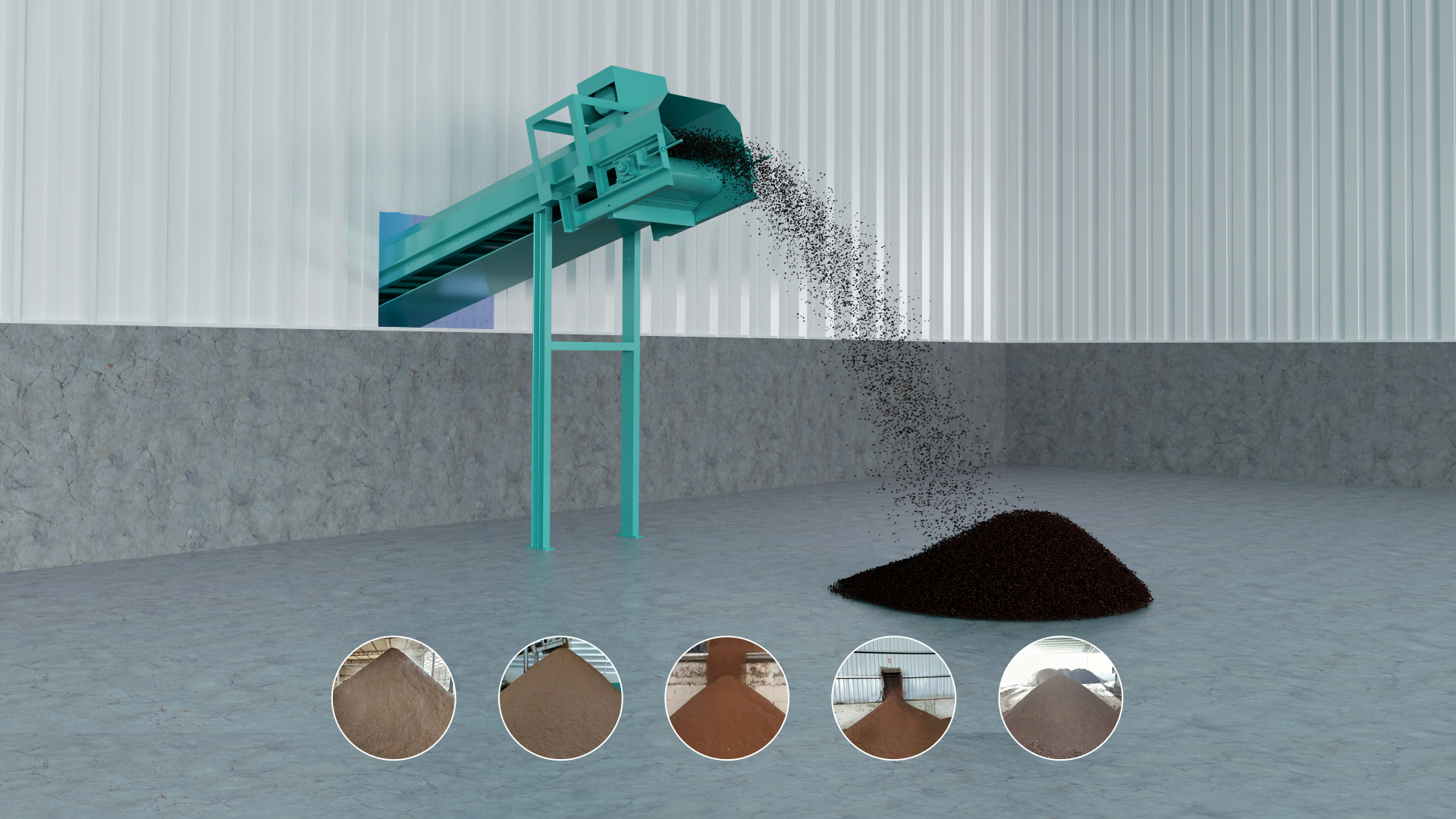
In conclusion, as we contemplate the role of organic fertilizer fermentation tanks, I urge you to reflect on the deeper significance of our choices. My journey in this industry has shown me that with the right tools, we can forge a connection between our soils and our future. Each innovative tank, like those offered by Cason, is a step towards a sustainable, fruitful tomorrow.