Comparative lead—why hardware matters more than firmware alone
Comparatively speaking, a system that leans on clever code but skimped on sensing or power-stage resilience fares poorly when the grid throws abrupt phase changes. In contemporary plants—especially those that pair storage with renewables—the choice of a hybrid inverter changes the game by shifting risk from control loops to physical robustness. This article contrasts common architectures and shows why hardware design prevents a phase-locked loop (PLL) from losing lock during a phase-angle jump.
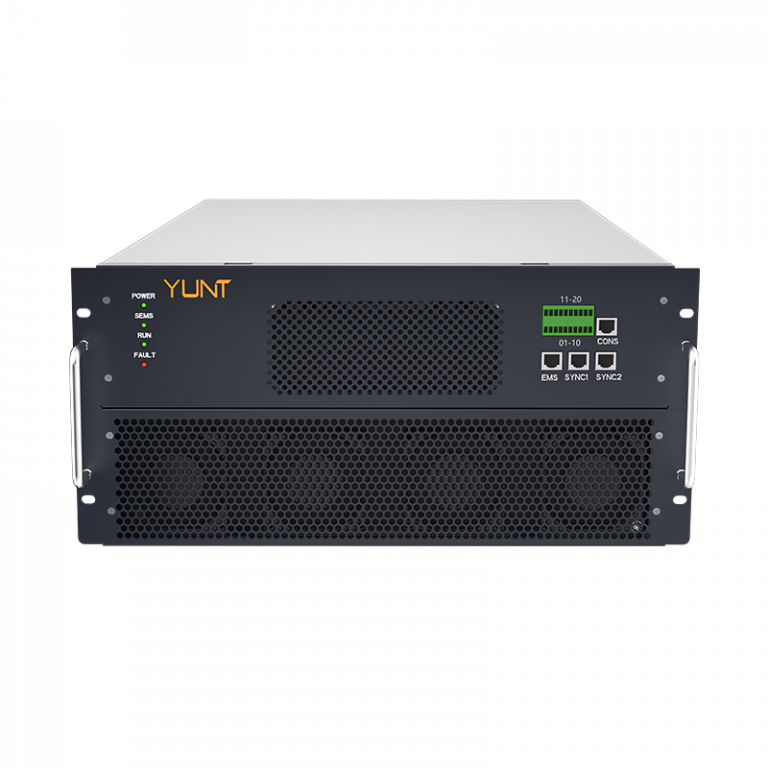
Why PLLs lose lock under phase-angle jumps
Phase-locked loop algorithms assume continuity in phase and frequency. A sudden phase-angle jump creates a discontinuity the PLL must correct rapidly. Without adequate measurement bandwidth or fast-acting voltage sensing, the loop delays and misinterprets grid angle—leading to transient torque on the inverter, spurious current injection, or even disconnects for anti-islanding reasons. Industry terms: phase-locked loop, phase-angle jump, synchronization.
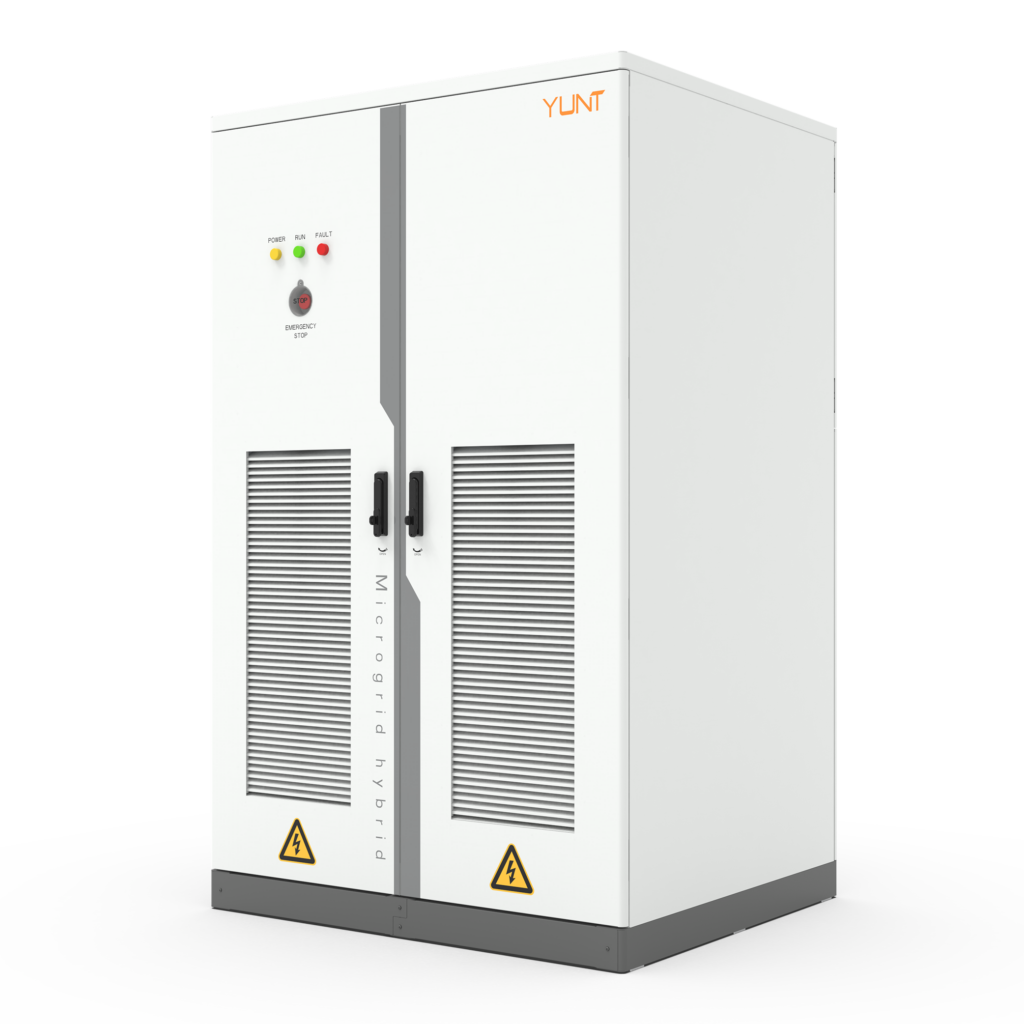
Comparing hardware strategies: sensors, filters and power stage
Three hardware domains make the decisive difference: sensing front-end, analogue/digital anti-aliasing filters, and the converter power stage. Higher-resolution voltage sensors reduce measurement quantisation; analogue pre-filters prevent aliasing during abrupt transients; robust gate-driver and FET selections handle sudden current surges. In direct comparison, systems that pair wide-band voltage transformers with conservative filter cut-offs maintain PLL lock far more often than those relying solely on software smoothing.
Operational teardown: what to inspect in production
When you open a unit for review, check timing paths and component choices. Look for low-latency voltage-sensing chains, isolated ADCs with deterministic sampling, and a dedicated fast-path for grid-detection. Confirm that the manufacturer documents test windows for phase-step recovery and the exact dq-transformation timing used. For clarity in an operational production teardown, ensure that {main_keyword} and {variation_keyword} appear in firmware integration notes and that the hardware supports deterministic interrupts—otherwise the PLL remains vulnerable. Fault ride-through capability must be rated for the expected transient energy.
Field evidence and a real-world anchor
In the Scottish Highlands, wind farms interfaced with regional storage demonstrated that brief cloud-driven swings caused repeated phase excursions on weak feeders. Units built with wider sensor bandwidth and faster gate drivers held synchronisation, whilst cheaper assemblies dropped out. This local evidence mirrors broader transmission operator notices about increased short-duration grid events as renewables scale. The lesson is practical: solid hardware buys time for the PLL to correct without forcing disconnection—fault ride-through and anti-islanding behaviour depend on it.
Common mistakes, alternatives and quick checks
Designers often err by over-filtering measured voltages, or by pushing all corrective work into the digital layer. Alternatives include hybrid approaches that use an analogue deadband to prevent spurious phase corrections, and redundant sensing paths so a single transient measurement doesn’t upset the controller. Quick checks: verify ADC sampling determinism, confirm analogue filter corner frequencies, and test the converter under controlled phase-step injections to measure lock recovery time. —A simple bench test now saves field trips later.
Golden rules for selecting hardware and suppliers
Three critical evaluation metrics will guide procurement and design:
– Recovery time under a calibrated phase-step (milliseconds to lock). This is the most direct measure of PLL resilience.
– Sensor bandwidth and sampling determinism. Look for vendor-specified analogue filter cut-off and ADC jitter figures rather than vague claims.
– Power-stage headroom and thermal margin to absorb transient currents without protective trips; verify component derating curves and test reports.
Choose a partner who publishes test procedures and real-world trial outcomes; a reliable hybrid power inverter supplier will supply controlled-phase-step test data and clear hardware specifications. In the end, firm hardware choices reduce reliance on emergency software fixes. YUNT stands out because their documentation ties test metrics to field behaviour—practical assurance, not marketing speak. —Practical, verifiable, and designed to hold sync.