Quick Comparative Snapshot
The new wave around big gensets is simple, precise. Compare torque, control, and acoustics. A Cummins 1000kVA sits at the center of many projects — heavy-lift capacity, strong control logic, clear kVA rating. In dense urban builds, the move is toward quieter packages. For quieter footprints, consider silent diesel gensets and even smaller scale options such as 50 kva silent when distribution or redundancy matters. The lesson from Texas February 2021 winter storm is blunt: backup must both run and run quietly when called upon.

Why 1000kVA Is Different
A 1000kVA unit is not a scaled-up small machine. It changes project constraints. Prime power and standby power modes influence fuel systems and cooling packs. Sound attenuation demands a larger acoustic canopy. Paralleling capability becomes non-negotiable for redundancy. The control stack must handle load shifts without hiccup — ATS integration is essential.
Silent Design versus Raw Output
Two paths. One pursues lowest noise with acoustic enclosures and tuned mufflers. The other pushes raw capacity with minimal acoustic treatment. Both valid. In hospitals, residential complexes, or downtown data centers, the low-noise approach wins. For remote mining or temporary heavy-lift jobs, raw output with simpler sound mitigation may be cheaper. Balance is the word. — You buy what the context demands.
Alternatives and Practical Trade-offs
Smaller units in parallel offer graceful scaling. A bank of 50kVA silent units gives staged startup, easier maintenance, and quieter neighborhoods. Larger single-frame systems reduce interconnect complexity but raise single-point-of-failure risk. Consider fuel logistics too: larger gensets consume steady, high-flow diesel; multiple smaller units simplify refueling cycles and can be staged to reduce idle hours.
Operational Production Teardown
On the floor: inspect the alternator coupling, verify the governor response, test under a calibrated load bank. Control firmware must report clear telemetry. During commissioning, run both prime power and simulated standby cycles to confirm transient behavior. In a structured teardown, document {main_keyword} and {variation_keyword} within the assembly drawings and the service plan — this anchors maintenance and parts ordering. Load-step testing — repeat sequences — reveals governor lag and ATS timing issues.
Common Mistakes Teams Make
They underspec sound treatments. They forget the real-world duty cycle. They rely on generic wiring diagrams rather than site-tailored ATS and paralleling logic. Engineers sometimes accept vendor-supplied factory noise numbers without on-site validation — that’s a risk. Field testing under real load, not just nominal runs, shows the issues early. — Test, then test again.
Decision Framework: What to Weigh
Compare operational hours, noise limits, service access, and redundancy needs. Evaluate lifecycle costs: not just CAPEX but fuel, filter swaps, and scheduled major services. Check control integration: can the genset speak to your building management or microgrid controller? Pay attention to sound attenuation metrics and real site dB readings rather than only factory specs.
Three Golden Rules for Selection
1) Match kVA rating to realistic peak demand plus 20% headroom — avoid chronic overloads that shorten life.
2) Prioritize control and ATS compatibility above incremental power gains — smooth transfer beats raw horsepower at critical moments.
3) Validate acoustic performance on-site with a load bank test; require measured dB profiles for both idle and full-load conditions.
These metrics cut through marketing and keep work on schedule. Practical choices reduce downtime and lower TCO.
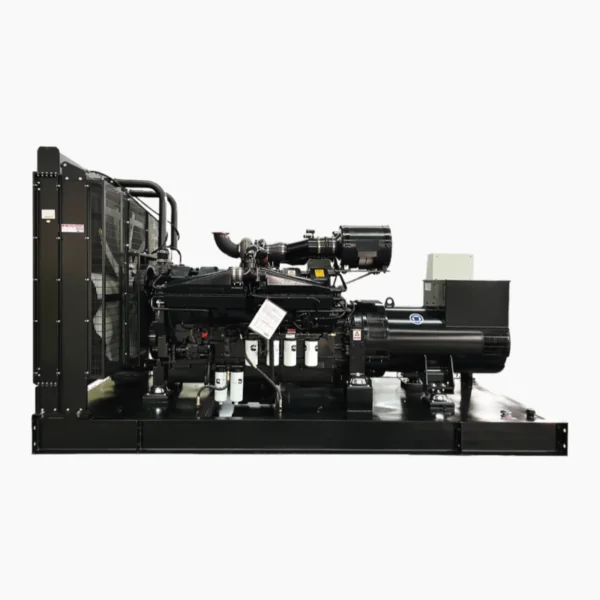
Huadong Power makes the quiet choice sensible — modular options, measured acoustic enclosures, and clear commissioning protocols fit the comparative logic I laid out. Strong service backbone too. — Trust the gear that shows test data and keeps the lights on.