Morning starts, meetings stall—what now?
It’s 9:02 a.m., the room is full, and the remote team waits in a silent grid of faces. A camera tilts, the mic blinks, and someone whispers, “Can you hear us?” In many offices, hybrid meeting room solutions promise smooth starts, yet small frictions stack up. Studies show teams lose real time—often 8–12 minutes per hour—to setup, switching inputs, and audio tweaks. That delay is not just tech; it’s culture and pace. The room feels tense; the flow breaks. Edge computing nodes and beamforming microphones help, but they do not fix the human handoff between the room and the call—funny how that works, right?
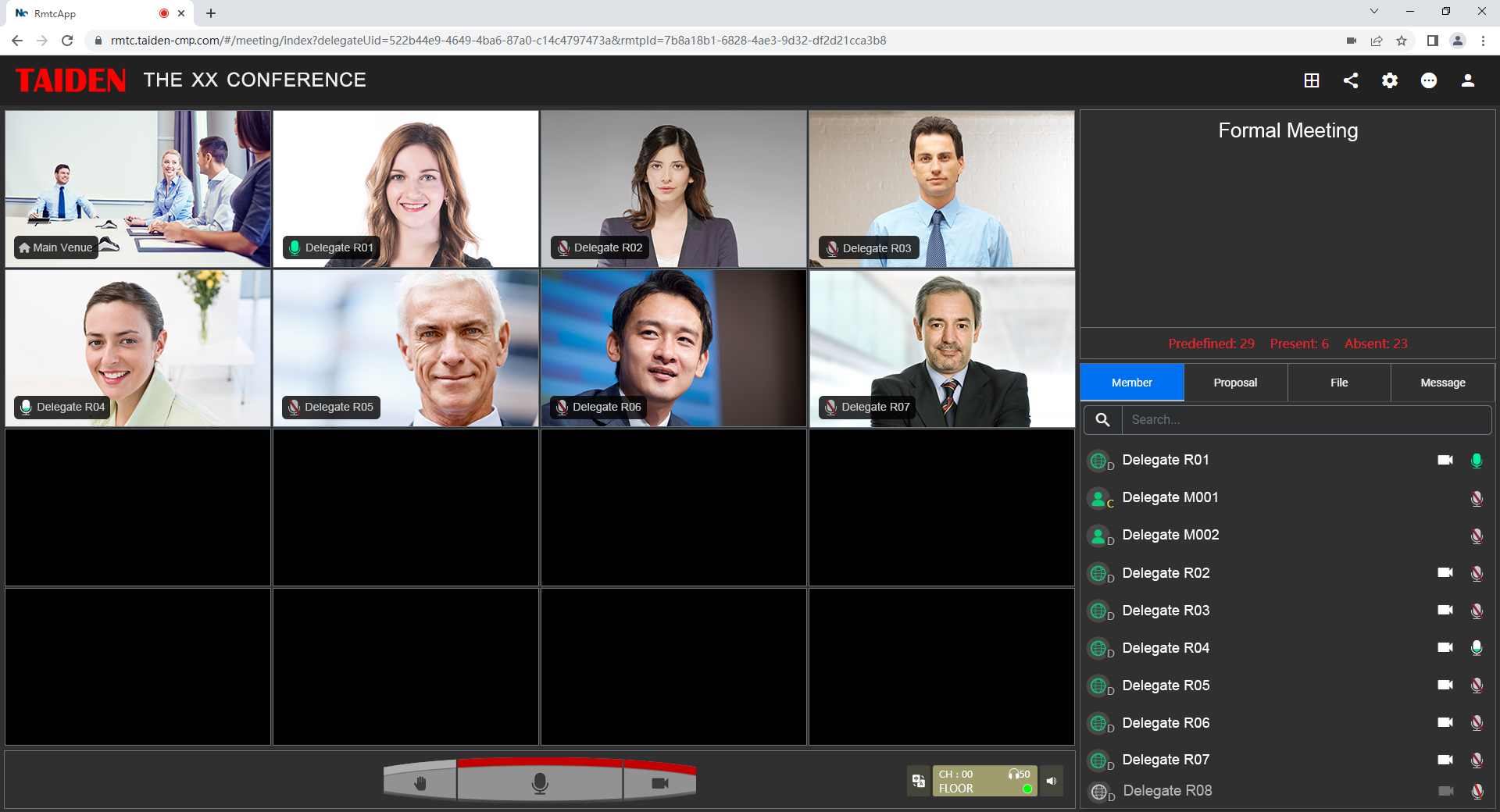
So the question is simple: how do we keep focus in the room while serving the people not in the room? How do we protect clarity, speed, and trust without adding yet another screen or box? The answer has layers: what we pick, how we connect it, and what we choose to ignore. Let’s unpack the trade-offs and compare what actually matters next.
Under the Hood: Why the Conference Controller Becomes the Bottleneck
Where do setups fail?
The first hidden pain point sits in the control plane. A conference controller is meant to simplify the room, but many do the opposite. Menus pile up. Roles clash. The in-room user needs one-tap actions; the remote chair needs oversight; IT needs logs. When these needs mix in one screen, people freeze. Traditional stacks route commands through mixed layers—HDMI handshakes, USB hubs, and PoE injectors—which stretch the latency budget and break timing. Add QoS policies set for voice but not visuals, and you get audio first, video later. The result: people talk over each other, then stop talking.
Look, it’s simpler than you think. Give the controller a single, clear job: scene control. Everything else should be policy-driven. When a controller tries to be the router, the codec, and the scheduler, it fails at all three. Keep it lean: map the buttons to tasks, not ports; bind presets to uses, not brands; log status to a cloud dashboard, not a hidden PDF. This reduces click depth, protects your latency budget, and lets beamforming mics and SIP trunks do their own jobs. People don’t need more buttons; they need fewer wrong choices.
Comparative Insight: Principles That Make Tomorrow’s Hybrid Rooms Feel Easy
What’s Next
From a forward-looking view, the shift is clear: we move from device-first to policy-first control. Instead of teaching users how to drive the rack, we encode good choices and let the room play them. A modern hybrid conference system thrives when the controller is thin, the network is aware, and the endpoints are smart. That means three principles. First, decouple scenes from hardware names (preset “Town Hall,” not “Input 3”). Second, push diagnostics to the edge so faults surface before users do. Third, enforce QoS and echo canceling at the network edge, not just in the codec. Small rule, big calm—and yes, that surprises teams the first week.
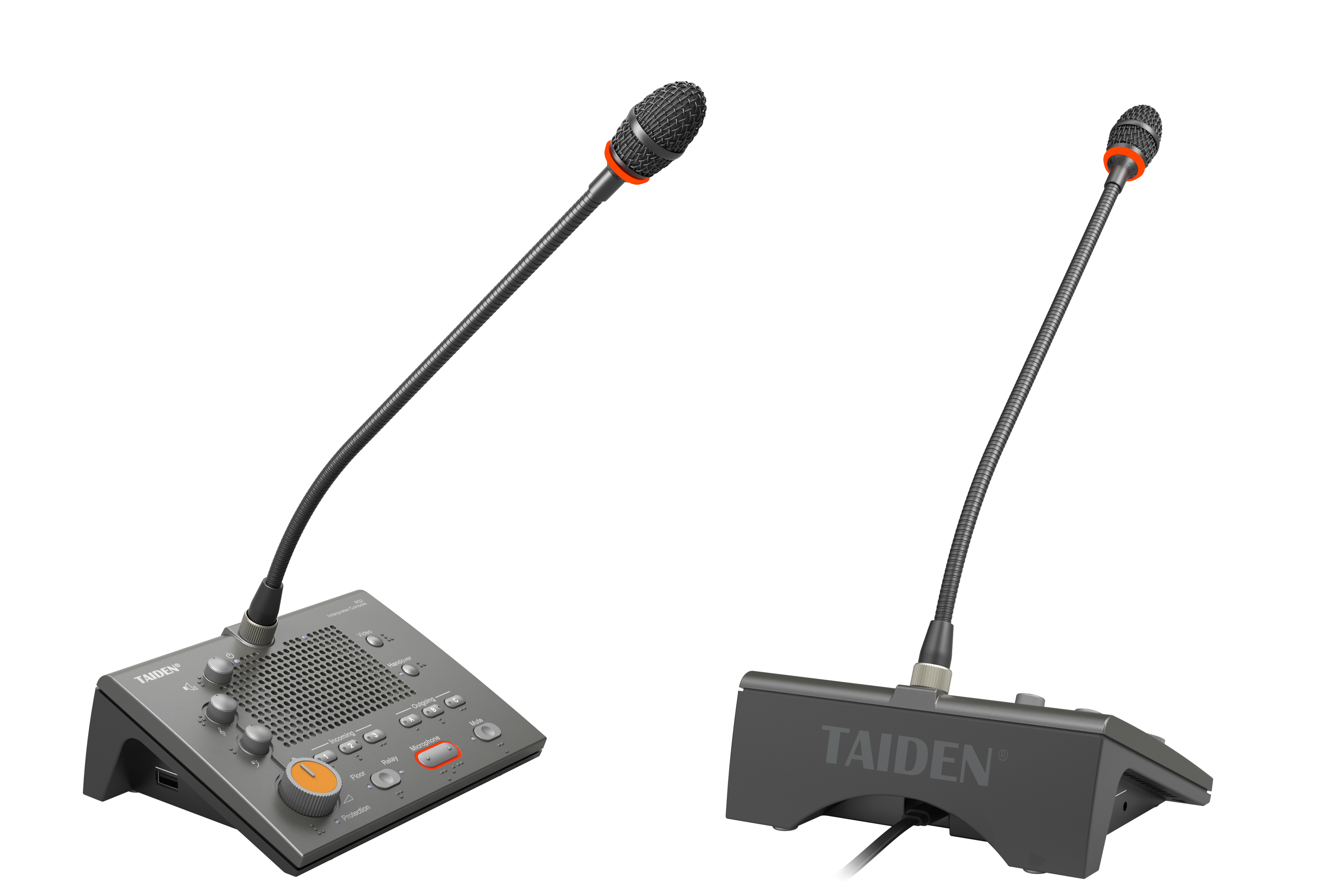
Compare old versus new. Old rooms rely on a heavy controller to juggle ports, power converters, and resets. New rooms keep the controller as a choreographer while the fabric handles timing and failover. Old rooms hide logs; new rooms surface them (short, plain, useful). Old rooms assume expert users; new rooms assume busy users. Put simply, we want fewer touch points, faster join times, and graceful failure. If one camera drops, the scene downgrades without a restart. If a mic fails, beamforming reweights. If a switch hiccups, redundant topology protects the call. The experience stays intact even when the stack takes a hit.
To choose well, use three evaluation metrics. 1) Resilience: measure join time, packet loss under load, and automatic failover. 2) Manageability: check for open APIs, readable logs, and role-based access that matches real jobs. 3) Experience quality: track echo rate, speech clarity, and average touch count to start a meeting. Keep these visible, compare vendors by data, and revisit every quarter (rooms evolve; your policies should, too). With that lens, a controller becomes a quiet guide, not a noisy gatekeeper—exactly what hybrid work needs. For context and deeper specifications, explore solutions from TAIDEN.