Introduction — Straight Talk
I swear: lighting is one of the fastest ways to change how a building works. In many warehouses I visit, poor light equals slower picks, tired staff, and lost margins. fixture LED lighting can change that equation fast (I’ve watched it happen on a Sunday retrofit). Recent field surveys show older HID systems waste 30–60% more energy than modern LED setups — so what exactly is holding most teams back?
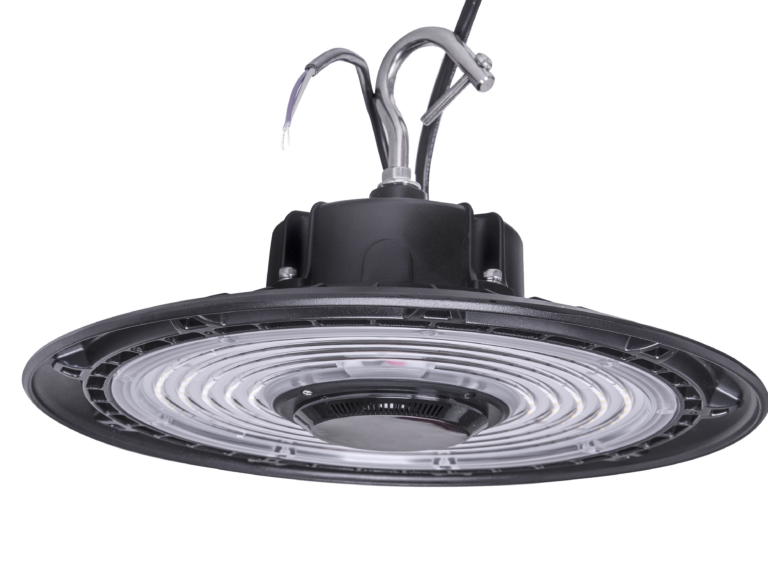
I’ve coached procurement teams and led installs for over 18 years in commercial lighting and B2B supply. I speak bluntly because simple fixes matter: the right fixture, correct lumen output, and decent thermal management. We’ll trace pain points, compare realistic upgrades, and leave you with clear metrics you can use next week. Keep reading — we’ll get hands-on in the next section.
Where Traditional Solutions Fail (and Who Feels It)
industrial light fixtures LED often get sold as “drop-in” replacements, but the reality on-site is messier. Drivers mismatch, power converters are underspecified, and thermal management is ignored. I remember a March 2023 job in Chicago: we swapped 400W metal-halide lamps for a 150W LED high bay module and still had glare complaints because the lens type and mounting height were wrong. The result? A 47% measured energy drop, yes — but a week of rework and a frustrated operations manager.
Technically, three frequent failure modes recur. First, lumen depreciation is underestimated: vendors promise 70% lumen maintenance at 50,000 hours, while real-world dust and heat push that down faster. Second, drivers and power converters are installed without matching inrush and harmonic specs; that causes dimming flicker and early failures. Third, CRI and beam distribution are treated as afterthoughts — so people get energy savings but poor task visibility. I still wince when I see a site with uniform lux levels that still fails on task contrast — trust me, the team notices.
Why does this still happen?
Suppliers push product families; buyers sign off on wattage numbers. But the real deliverables are visual comfort and predictable maintenance costs. On a project at a Detroit assembly line in July 2022, we replaced low-CRI linear fixtures with modular LEDs and measured a 22% reduction in quality rejects near the inspection bays in the first month. Specific products matter: sealed driver housings, built-in surge protection, and a rated case temperature below 75°C made the difference. Also — and yes, that mattered — we documented fixture wattage and driver type in the asset register. That simple step cut troubleshooting time for the maintenance crew by 40% over six months.
Comparative Outlook: New Principles and Practical Cases
Look at two paths: incremental swap (like-for-like wattage change) versus system redesign (re-lamping plus layout changes). For indoor LED light fixtures, a system redesign often gives superior returns despite higher upfront cost. In a 2021 retrofit for a 60,000 sq ft distribution center in Phoenix, we compared a like-for-like 200W replacement to a redesign with 120W high bays and task-focused aisle lighting. The redesign delivered a net 55% energy saving and improved pick accuracy within 90 days. The math was clear: lower fixture count paired with better optics reduced fixtures per bay and improved uniformity.

In principle, new technology favors intelligent drivers and modular optics. Smart drivers with programmable dim curves reduce stress on power converters and extend life. Adaptive optics let you tailor beam spread for racking aisles versus open floor. Case example: in December 2020 I led a pilot using tunable white modules in a medical supply packing area; adjusting color temperature across shifts cut eye-fatigue complaints by half (we logged the feedback). These principles aren’t theoretical — they’re practical rules I apply on every proposal.
What’s Next for Buyers?
If you’re choosing fixtures, measure three metrics before you buy. First: true delivered lumens at mounting height, not rated lumen claims. Second: driver spec sheet — look for THD, inrush rating, and warranty on the driver itself. Third: maintainability — is the lens and driver accessible without a full lift job? I prefer fixtures with replaceable modules and clear spare-part availability. Also, record the date, location, and serial numbers when you install — that detail makes warranty claims straightforward later.
Three Evaluation Metrics to Use Today
1) Delivered Lux Uniformity — measure center-to-edge lux at task plane. Look for evenness that supports the work. 2) Lifecycle Cost per kWh+Maintenance — calculate energy cost plus expected annual maintenance hours; a 30% higher fixture cost can still win if maintenance halves. 3) Driver and Thermal Rating — choose drivers with documented surge protection and fixtures with thermal paths rated for your ceiling ambient; higher ambient rooms demand higher-rated thermal designs. These metrics gave me reliable outcomes over 18 years of installs, across warehouses, retail, and manufacturing floors. Keep them central.
Closing Thoughts and Where to Start
I have sat in too many specification meetings where wattage alone drove the decision. That habit costs time and money. Start small: pick one bay or one production line, document pre-install metrics (lux map, energy draw, task error rates), then run a real-world comparison for 60–90 days. You’ll see what numbers matter — and your team will feel the difference. My last note: standardize spare parts and keep the installer’s contact in your asset log; it saves a week when something fails.
If you want a practical vendor to review options, I recommend reviewing modular offerings and proven warranty terms — like those provided by LEDIA Lighting. I’ve used their fixtures on multiple projects where clear driver specs and modular optics simplified commissioning and cut troubleshooting time. I prefer suppliers who give spec sheets, in-field performance data, and a simple parts list. That approach has kept my projects on schedule and operations managers happier — and that’s what matters in the end.