Introduction — What an EV power charging station really does
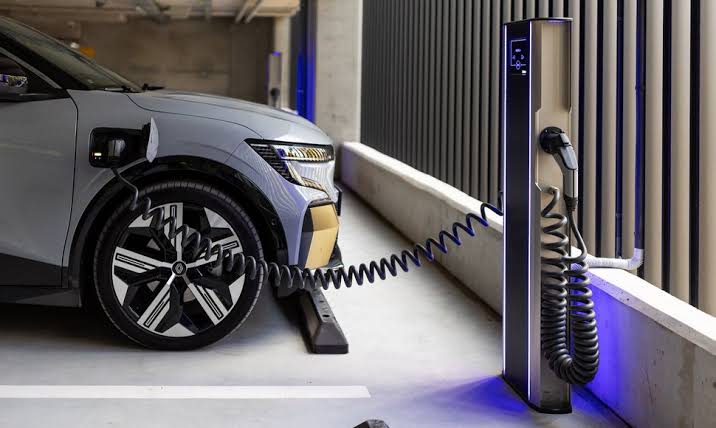
I’ll start by defining the core function: an EV power charging station converts grid energy into usable power for an electric vehicle while managing safety, billing, and communication. ev power charging station systems must balance power converters, communication layers, and user interfaces to deliver predictable charging sessions (think: safe voltage control and clear status feedback). Scenario: a downtown workplace installs chargers; data shows only 60% utilization in peak hours and frequent session drops. So — why are users still frustrated when the hardware is solid and the meters read correctly? This piece breaks down that question and points toward practical comparisons and concrete next steps. Let’s move from symptoms to causes.
Part 1 — Why common ev charging solution designs fail (direct take)
ev charging solution vendors often pitch smart features, but I’ve seen systems fail on simple grounds: mismatched load planning and poor attention to user flow. I’m blunt about this because the trouble isn’t glamorous. The grids we work with need load balancing and predictable demand; when a site underestimates peak draws, converters get stressed and sessions cut out. Look, it’s simpler than you think — most outages trace back to design assumptions that ignored real behavior. We lose trust quickly when billing mismatches appear. I’m frustrated when a system with edge computing nodes and smart metering promises seamless operation yet can’t keep a session stable under moderate demand.
Why does this fail?
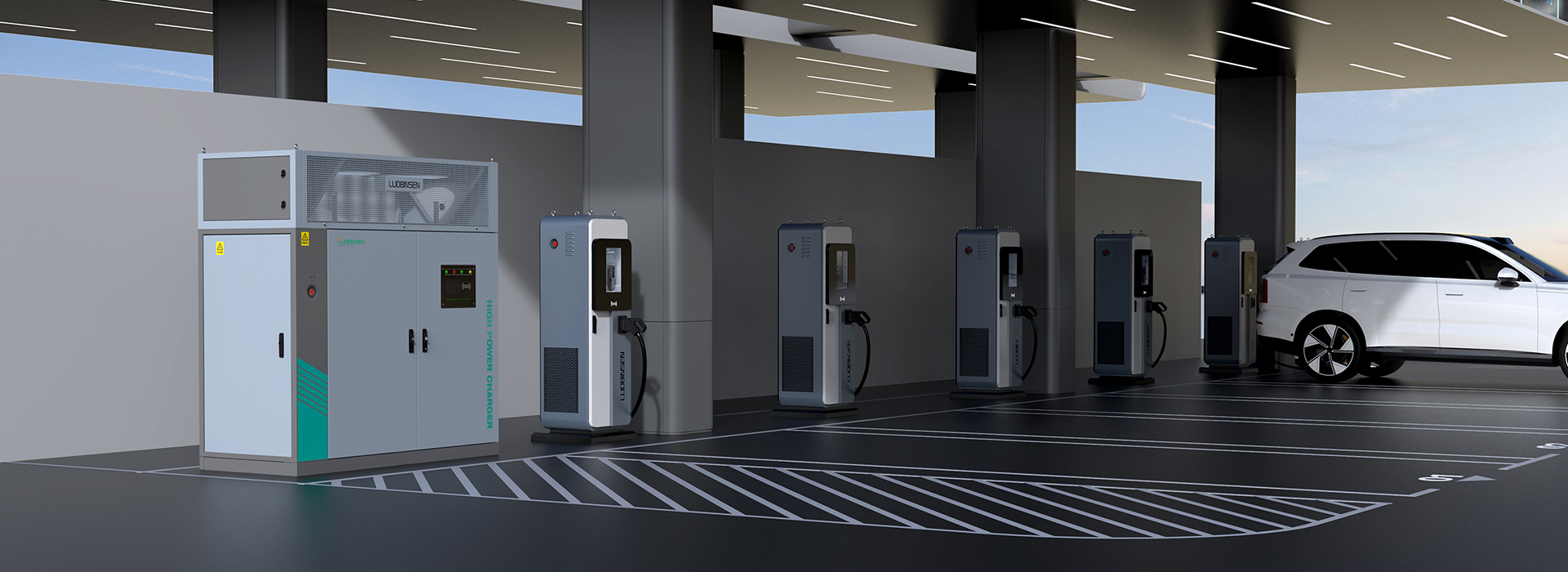
First, installers and operators assume uniform use patterns. They don’t account for simultaneous DC fast charging demand or the way a fleet charges at shift change. Second, software and hardware often ship with default thresholds that are not tuned for the site — power converters operate, but overheating or tripping occurs. Third, the user experience is an afterthought: clunky authentication, opaque pricing, and poor fault messages. The result: higher service calls, unhappy drivers, and wasted capacity. I’ve guided teams to audit these failures and the fixes are rarely expensive — they require honest observation and adjustments. Funny how that works, right?
Part 2 — New technology principles that change the game
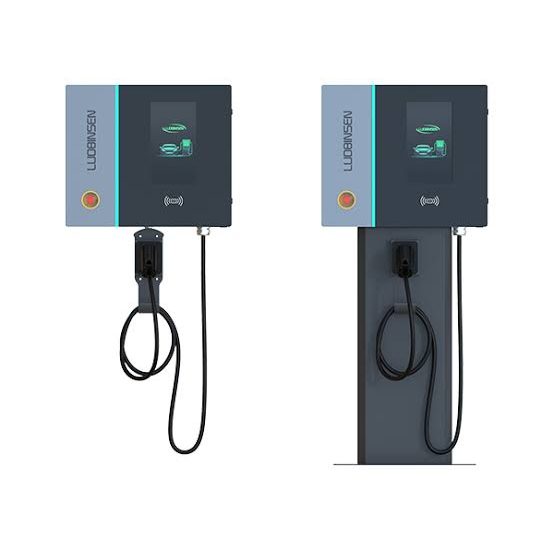
I want to shift forward and explain the principles that actually move us ahead. Start with edge-first management: placing intelligence at edge computing nodes near chargers reduces latency for real-time load balancing. Add modular power converters that scale—this lowers single-point failure risk and makes capacity upgrades straightforward. Integrating smart metering and a clear API for operator dashboards lets us spot anomalies fast. I’ve worked with an electric vehicle charger supplier that emphasized modular design; the difference in uptime was noticeable within months — and yes, that matters. We’re moving from bolt-on features to systemic resilience.
What’s Next — adoption and practical steps?
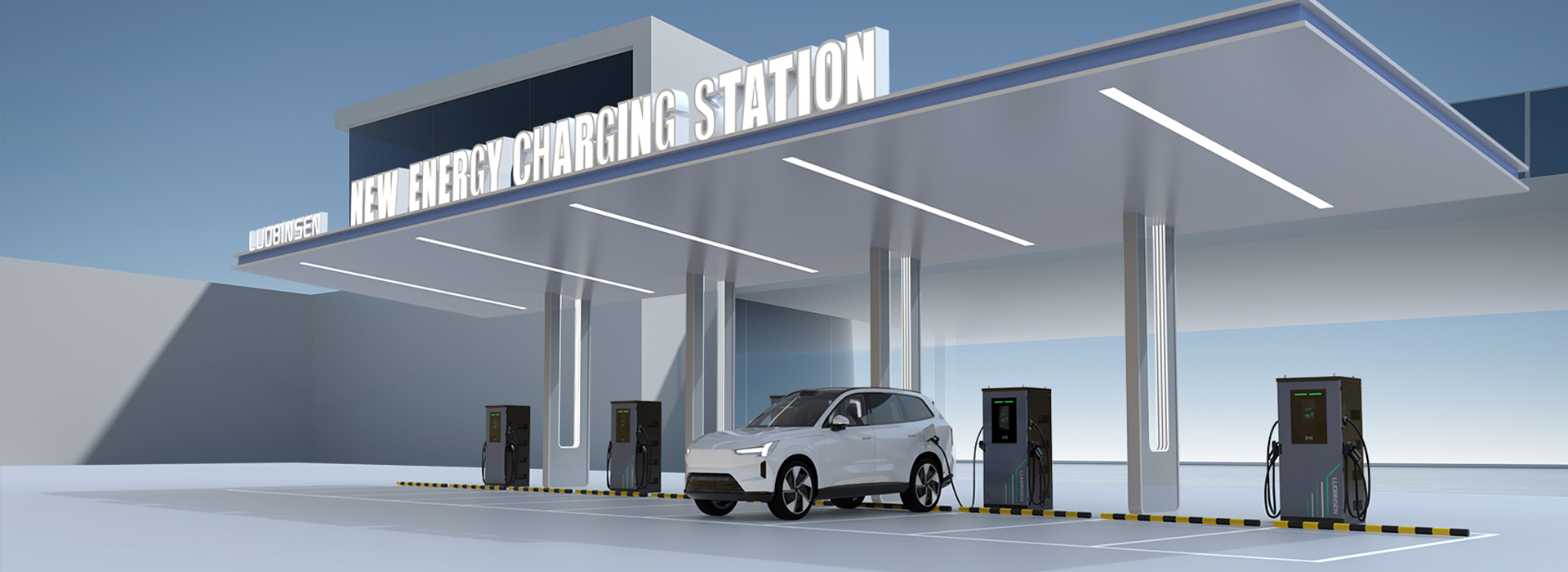
Adoption means three practical moves. One: design for realistic peak scenarios, not optimistic averages. Two: prefer modular hardware and firmware that can update remotely. Three: require user-centric error messages and transparent billing flows. These principles reduce service calls and increase driver confidence. I encourage teams to pilot one site with edge computing nodes and modular converters; measure availability, and iterate quickly. The tech is ready. The discipline—now that’s the work.
Conclusion — How to evaluate and choose the right system
Summing up what I’ve learned: poor assumptions and weak user flows break otherwise capable systems, while edge-aware architectures and modular power design restore reliability. I want to leave you with three concrete evaluation metrics when choosing a solution: 1) Scalability metric — can the system add capacity via modular power converters without full replacement? 2) Resilience score — does it use edge computing nodes and local control to survive network hiccups? 3) User clarity — are billing, status, and fault messages immediate and comprehensible to drivers? Test for these and you’ll cut downtime sharply. I’m confident these measures give you practical buying power — and they’re easy to test in a site trial. — take that to your procurement meeting.
I’ve shared what I know as someone who has both built and fixed these installations. I care about the people who plug in at night and expect their car to be ready in the morning. If you need a concrete checklist or a pilot plan, I’ll help craft one based on your site specifics. Finally, if you want a partner with products and service know-how, check out Luobisnen.