From Shelf to Hand: The Real Choice Shoppers Make
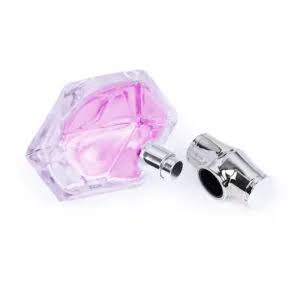
I watched a shopper reach for two testers, pause, and then go straight for the one that felt easier to grip. Square perfume bottles stood taller, stacked tighter, and somehow looked more “finished.” In store audits last season, brands reported up to 12% better shelf density and faster facing resets when the footprint was squared off. That’s not just pretty design; it’s real estate math. The flat panels also give more room for screen printing and label clarity, which helps when your SKU count balloons. But here’s the twist—if the bottle looks premium and the atomizer pump fires clean, the hand remembers. Does a simple change in geometry nudge conversion, or is it the whole system behind it—mold cavity control, closure torque, and all? Let’s break the habit of guesswork and look at how the shape war plays out in ops, design, and cost. Next up, we dig into the flaws that hide in the “easy” path.
Under the Surface: Why Wholesale Choices Often Misfire
Where do things go wrong?
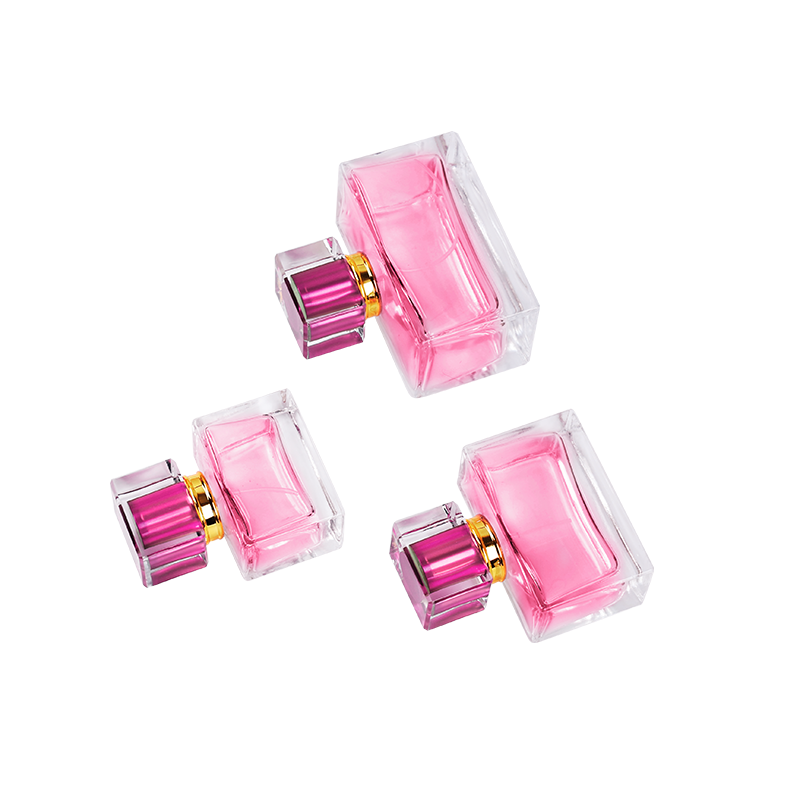
Here’s the technical truth: many teams jump into square glass perfume bottles wholesale with a parts-first checklist—volume, neck size, MOQ—and miss the system fit. That’s where misalignments stack up. If tolerances drift between mold cavity sets, the collar may rock, and closure torque goes off. Pumps start to micro-leak, and the shelf trial looks messy. Color drift in spray coating or decorative frosting can make a master carton look like three SKUs. Look, it’s simpler than you think: a square bottle is only as good as the neck finish precision and the match to the atomizer pump spec. When QC batch sampling is thin, tiny flaws slip past—and they show up on your line, not on the vendor’s.
Hidden pain points lurk in logistics. Sharp corners chip if edge protection is weak, and that turns into rework time. Labelers prefer flat planes, but if glass wall variance is high, you’ll get skewed graphics and air pockets—funny how that works, right? Palletization sounds boring until a half-millimeter variance throws off your case pack and raises freight. Even decoration steps—like hot stamping or screen printing—depend on stable flatness across panels. If you chase the lowest unit price, you often pay it back in rejects and line slowdowns. The fix isn’t magic; it’s upstream control, from annealing curves to matched components.
Comparative Insight: Tech and Tomorrow on the Shelf
What’s Next
Now, let’s look forward. A capable square glass perfume bottles manufacturer is rolling in new technology principles to close those gaps. Inline vision systems check neck finish roundness and panel flatness in real time, which keeps tolerances tight before packing. Digital embossing molds cut lead time on design trials and reduce cavity-to-cavity variance. UV-curable inks make screen printing sharper on flat faces, and better annealing profiles lower corner chip rates. The result is simple: the square form factor finally delivers both the look and the run-rate. And yes, your ops team will thank you—because stable geometry cuts changeovers and reduces pump misfires.
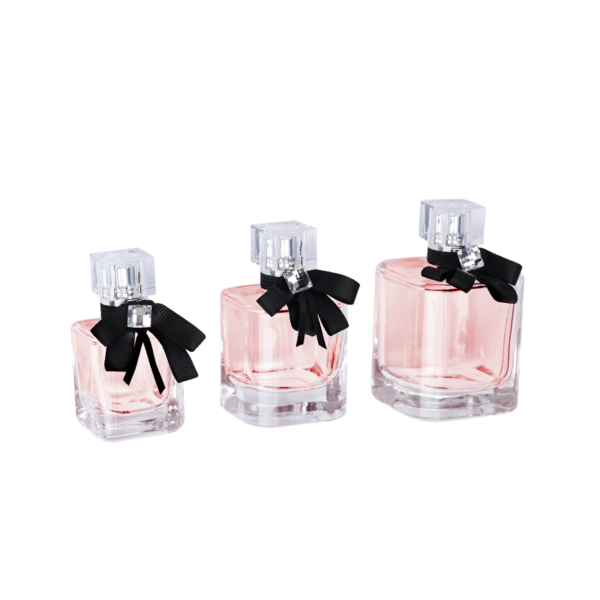
So what should you evaluate when you compare suppliers and formats? First, test fit as a system, not as parts. Summarizing the road so far: shape gives you shelf order; process gives you repeatability; matching components give you a clean spray and fewer returns. Choose with numbers, not mood boards. Advisory close-out: 1) dimensional stability across mold cavities (neck finish, panel flatness), 2) component pairing validation (pump, collar, closure torque under heat/cold), 3) defect rate by QC batch with real photos, not just pass/fail. Small moves, measurable gains—this is where square design earns its spot. For a steady partner mindset, see NAVI Packaging.