A Modern Dilemma: Pressure Sensitivity in Industry
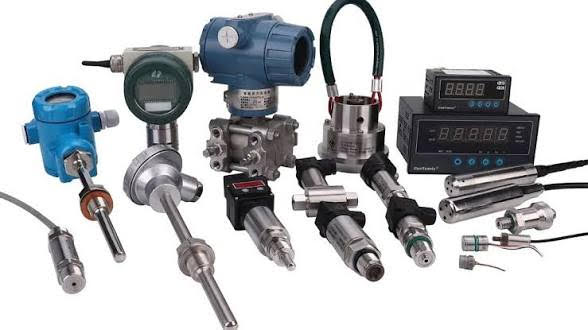
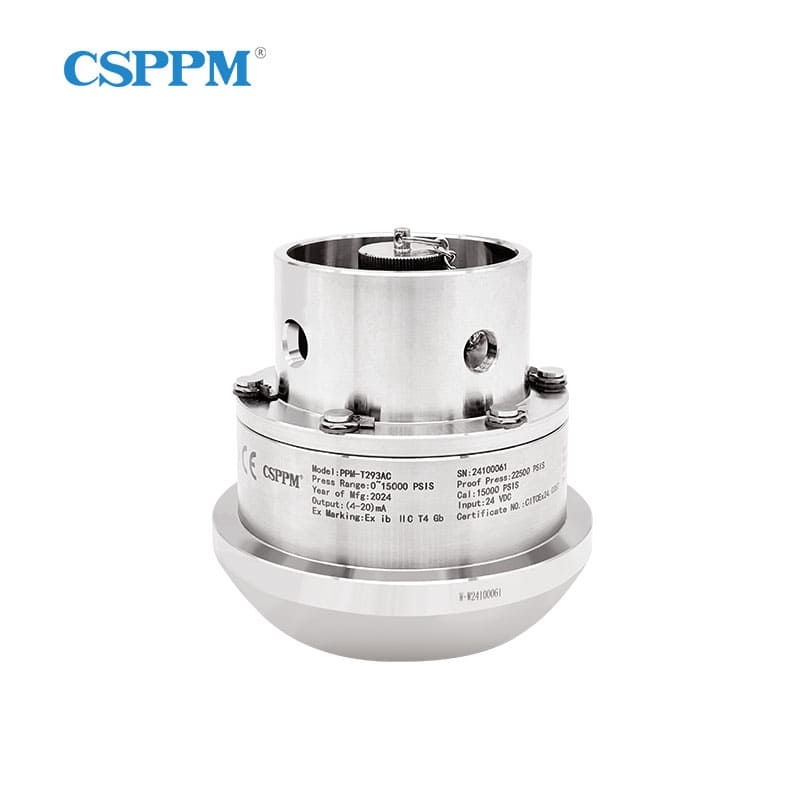
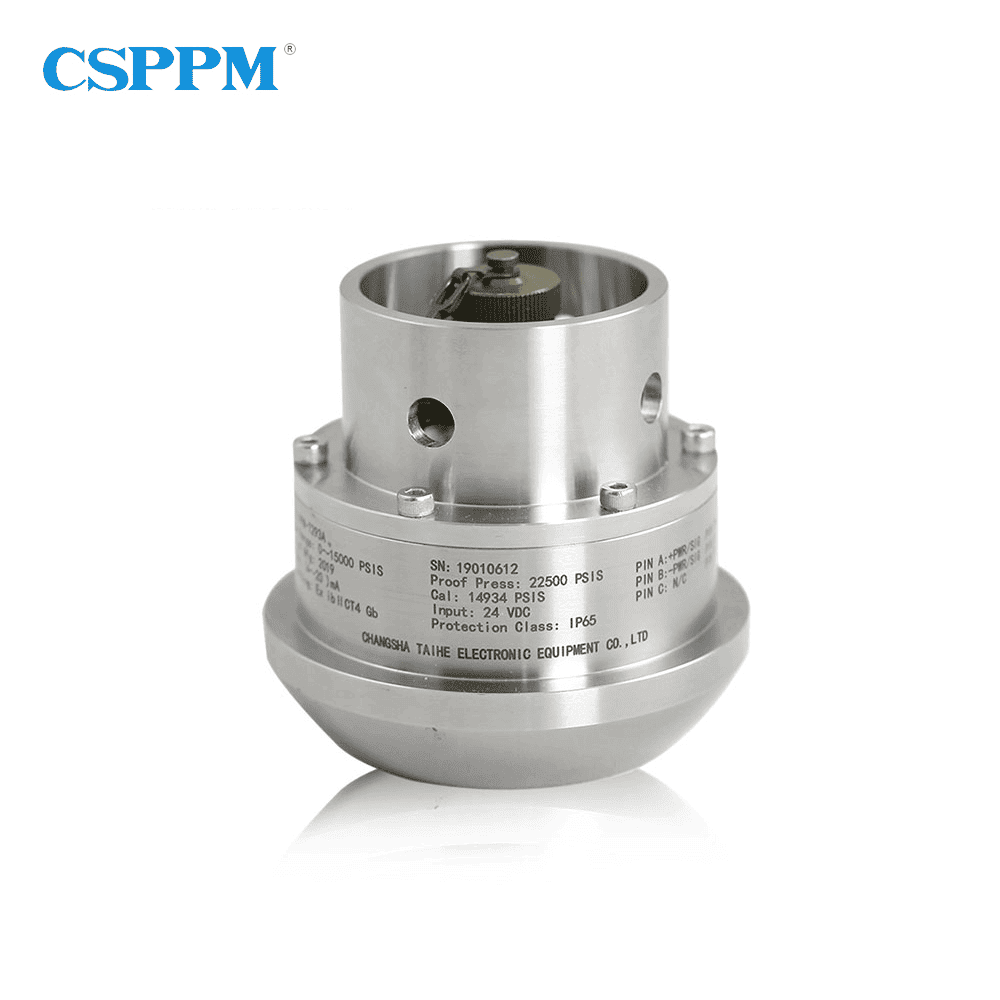
Picture this: It’s a routine day in the oil and gas sector—pressure gauges are usually the unsung heroes. Yet, did you know that around 20% of pressure sensor failures lead to operational downtime? This is where the hammer union pressure sensor steps in as a game-changer. The hydraulic pressure sensor can provide critical readings, ensuring equipment operates within safe parameters. But what happens when these sensors fail to deliver accurate data? It can cost companies both time and money, which is something no one wants to face.
The Flaws of Traditional Solutions
Now, let’s dive into what many don’t realize. Traditional pressure sensors often struggle with accuracy in high-stress situations—especially in abrasive environments like drilling sites. I remember a time back in 2019 when a major drilling contractor had to halt operations for two days due to sensor inaccuracies. Their existing sensors simply couldn’t handle the dynamic pressures they faced, which led to unnecessary frustration for everyone involved. This experience fueled my commitment to finding advanced solutions, like the modern hydraulic pressure sensor. These sensors are not just reliable; they’re also designed with cutting-edge technology to withstand harsh conditions, ensuring operational continuity.
Why Choose Modern Technology?
Having been in this field for over 15 years, I can confidently say that the transition to innovative solutions is not just an option but a necessity. The impressive capabilities of today’s hammer union pressure sensor allow for real-time monitoring and enhanced performance analytics. Not only do they offer better precision, but they also come equipped with features like temperature resistance and robust construction, positioning them as the go-to choice for industrial applications. It’s hard to ignore their superior reliability—trust me, it makes all the difference.
Looking Ahead: The Future of Pressure Measurement
As we look forward, the demand for better reliability in pressure measurement is growing. Companies are increasingly opting for advanced sensors, like the hydraulic pressure sensor, which provides fail-safety mechanisms. This shift is crucial for maintaining performance and ensuring safety in operations. I also find it fascinating to see how emerging technologies, such as IoT integration, can enhance these sensors, allowing them to communicate with centralized monitoring systems for an even more streamlined approach. It’s almost a refreshing breeze of change in a traditionally slow-to-adopt field!
What’s Next for Industry Practices?
The implications of such advances are profound. Companies will become more proactive than ever, capable of predicting issues before they escalate into costly problems. From my own experience, adopting updated systems has resulted in sharper data insights and increased productivity. Sustaining long-term operational success relies on adapting and integrating advanced technologies. I genuinely believe that those who do so will propel themselves ahead of the competition.
Final Thoughts: Reflections on Pressure Sensor Evolution
In conclusion, navigating the complexities of pressure measurement tools like the hammer union pressure sensor can be daunting yet rewarding. Over the years, I have witnessed how making informed decisions about technology leads to tangible operational improvements. Remember—quality matters, and effective measurement tools are pivotal in your decision-making toolbox. Look for features that stand out: durability, accuracy, and tech integrations offer real value. For those ready to embrace these advancements, take a tip from my journey and consider brands like CSSPM Sensor—they’re paving the way for a brighter, more reliable future in pressure monitoring.